By Ibrahim Kegbegbe
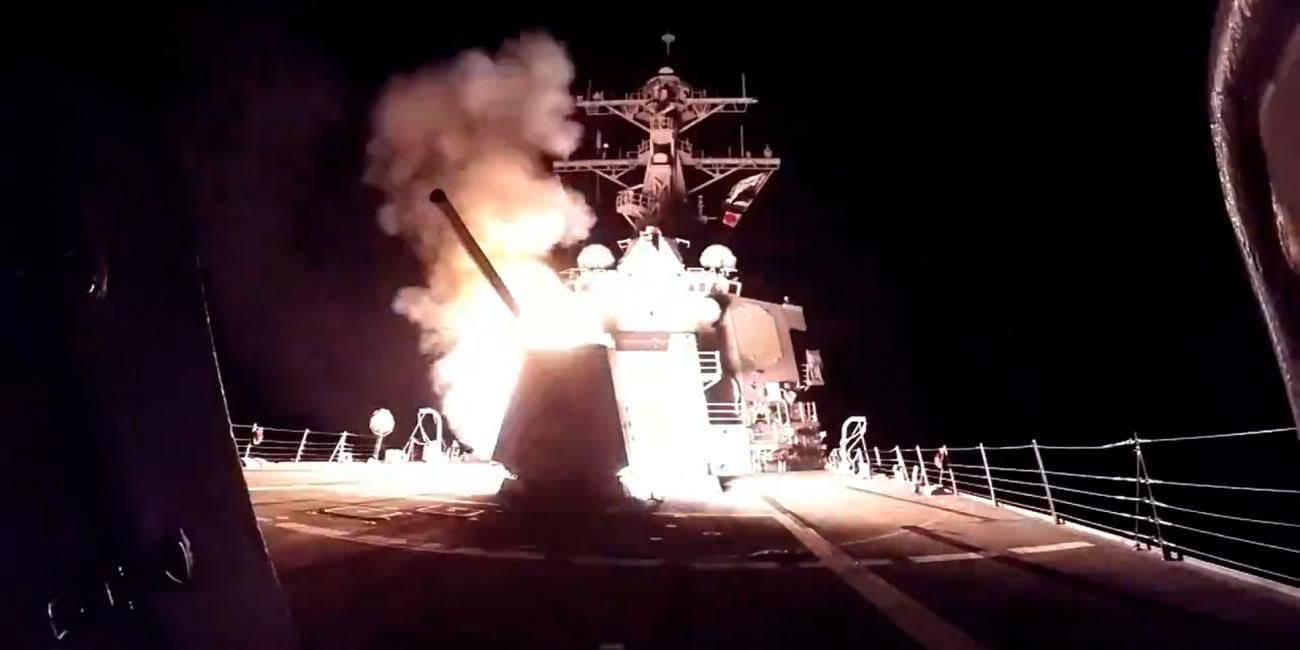
Abuja — The Nigerian government has confirmed that recent air strikes on terrorist enclaves in the country’s North-West were carried out through structured security cooperation with the United States, stressing that the operation had no religious undertone and was aimed strictly at neutralising violent extremists.

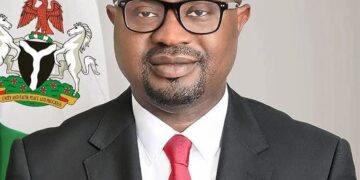
The strikes, which reportedly hit Islamic State (IS) positions in Sokoto State on Thursday, were conducted as a joint operation between Nigerian forces and the US military, according to Nigeria’s Minister of Foreign Affairs, Yusuf Maitama Tuggar.
The Merit Newspaper reports that Tuggar, during an interview with the BBC, said the operation targeted terrorists responsible for attacks on civilians, rejecting suggestions of a religious motive.
“This has nothing to do with a particular religion. These were terrorists,” he said, noting that further joint actions would depend on decisions taken by the leadership of both countries.
In a statement released on Friday, Nigeria’s Ministry of Foreign Affairs said the country remains engaged in “structured security co-operation with international partners, including the United States of America,” to confront the persistent threat of terrorism and violent extremism.
“This collaboration has resulted in precision air strikes on terrorist targets in the North West,” the ministry said.
The confirmation followed comments by US President Donald Trump, who announced on social media that the US had launched what he described as “powerful and deadly strikes” against IS in Nigeria. Trump framed the operation as part of his administration’s fight against what he called “radical Islamic terrorism,” alleging that the group had been killing innocent Christians.
However, Nigerian officials and independent conflict analysts have repeatedly dismissed claims that jihadist violence in Nigeria is targeted primarily at Christians. Data from conflict-monitoring organisations indicate that the majority of victims of Boko Haram and Islamic State West Africa Province (ISWAP) attacks over the past decade have been Muslims.
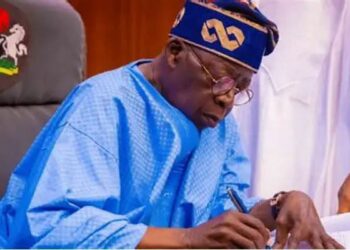
Daniel Bwala, a presidential adviser to President Bola Tinubu, had earlier told the BBC that while Nigeria welcomes international assistance, any military intervention must respect the country’s sovereignty and be conducted jointly.
President Tinubu has consistently maintained that Nigeria’s security challenges cut across religious and regional lines, insisting that the government remains committed to protecting citizens of all faiths.
Human rights groups also say there is no evidence of a genocide against Christians in Nigeria, despite recent claims circulating in some US political circles. They point instead to a complex security crisis involving jihadist insurgency in the North-East, banditry in the North-West, and deadly farmer-herder conflicts in parts of central Nigeria.
The US Africa Command (Africom) later confirmed that the Sokoto operation was coordinated with Nigerian authorities, while US Defence Secretary Pete Hegseth thanked Nigeria for its cooperation.
READ ALSO:How ‘Luck’ Defined Two Nigerian Political Journeys
Nigeria has long battled insurgent groups including Boko Haram and ISWAP, whose violence has killed thousands and displaced millions, particularly in the North-East. Authorities say sustained international collaboration remains critical to dismantling the networks and restoring stability.