By Ibrahim Kegbegbe
The news of the tragic motor accident involving world-renowned boxer Anthony Joshua sent shockwaves across Nigeria and beyond. Joshua is not just a global sports figure; he is a source of pride, inspiration, and positive representation of Nigeria on the world stage. His contributions to boxing and youth development through sports have earned him admiration that transcends nationality.

It is therefore with deep sadness that we acknowledge the loss of two lives in that unfortunate incident — Joshua’s close friends and team members, Sina Ghami and Latif “Latz” Ayodele. Their deaths are painful, personal, and irreversible. At this moment, condolences must take precedence over commentary. May their souls rest in perfect peace, and may their families find strength in this difficult time. We also pray for Anthony Joshua’s full recovery, thanking God for his survival, and extend prayers for the driver, who is also receiving medical care, wishing him healing and strength as he recovers in hospital.

However, tragedy often opens the door to public debate — sometimes necessary, sometimes premature. In the aftermath of the accident, several public affairs analysts and members of the media profession have been quick to criticise both the state and federal governments, blaming poor roads and inadequate emergency response. While accountability is a core pillar of journalism, so too are fairness, accuracy, and humanity.
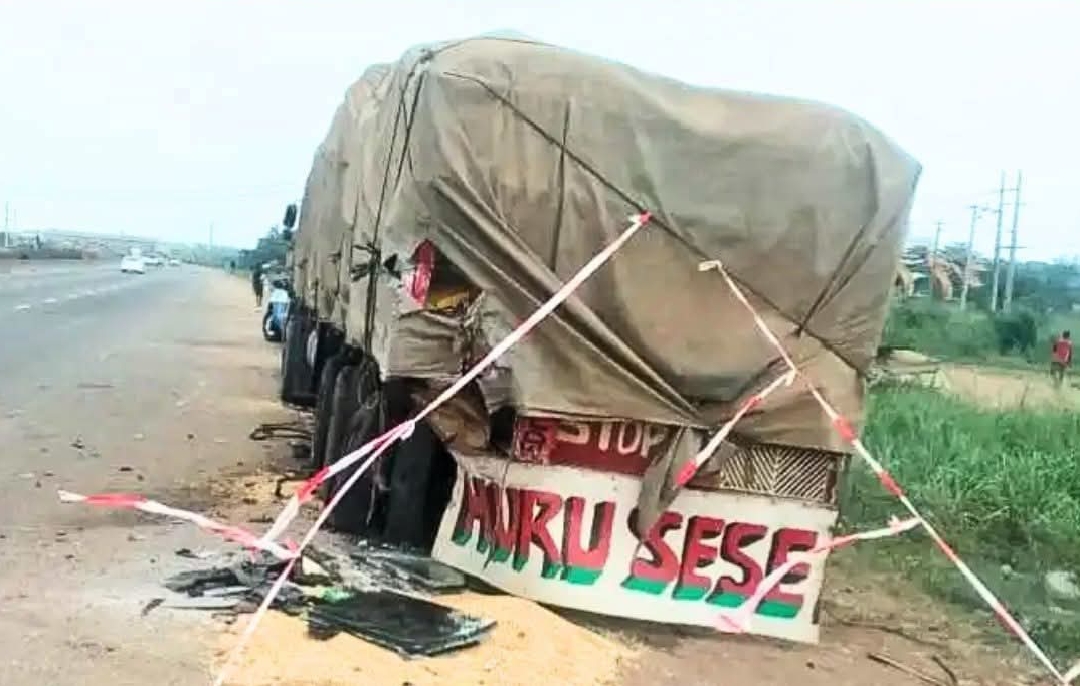
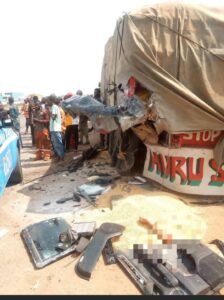
If we are to be honest — not emotionally, but ethically — eyewitness accounts and physical evidence from the accident scene raise important questions that must not be ignored. The position where the truck was parked and the measurable distance between the road and the point of impact suggest a loss of control rather than a failure of road infrastructure. Those who witnessed the scene have attested that the road itself was in good condition, contradicting claims that bad roads were the primary cause of the crash.
Journalism demands that we distinguish between systemic failures and individual actions. Overspeeding and reckless driving remain the leading causes of fatal accidents worldwide, regardless of road quality. To ignore this reality in favour of convenient narratives does a disservice to public enlightenment and road safety advocacy.
READ ALSO:Tanker Accident Cripples Ajah–Epe Road Overnight
Equally important is the issue of emergency response. While criticisms have been raised, eyewitnesses reported that emergency services arrived within approximately three minutes of the crash. Sadly, some accidents are fatal by nature, not by response time. That Joshua survived may rightly be attributed to divine mercy, but it would be intellectually dishonest to label the response as negligent without verified evidence.
This is not a defence of government inefficiency, nor is it an attempt to silence valid criticism of Nigeria’s infrastructural challenges. Bad roads do kill, and poor emergency systems do cost lives. But responsible journalism requires context, evidence, and restraint — especially when human lives and grieving families are involved.
As journalists, Africans, and humans, we must resist the urge to exploit tragedy for outrage. Not every accident is political, and not every loss must be weaponised. Sometimes, the most ethical story is the one that tells the truth plainly: that human error, overspeeding, and loss of control are realities we must confront honestly.
Anthony Joshua’s accident should serve as a sober reminder — not just about governance, but about road discipline, responsibility behind the wheel, and the fragile nature of life itself.
READ ALSO:NNPP’s Southwest Defectors: Traitors or Prophets?
Once again, we mourn Sina Ghami and Latif “Latz” Ayodele. We stand with their families, with Anthony Joshua, and with all who grieve. May this tragedy inspire reflection rather than reckless blame, and may compassion guide our words before conclusions guide our pens.
Ibrahim Taofeek Kegbegbe is a journalist and a public affairs analyst