By The Merit Newspaper
To ensure a quality healthcare delivery in Nigeria and to also ensure a healthy populace, the Medical Director of Memfys Hospital for Neurosurgery, Enugu, Emeritus Prof. Samuel Ohaegbulam, has called on governments to enforce the compulsory National Health Insurance Scheme, NHIS.

Ohaegbulam noted that if this is done, it would boost health delivery if there is a commitment to ensure that the NHIS covers at least 75% of the population.
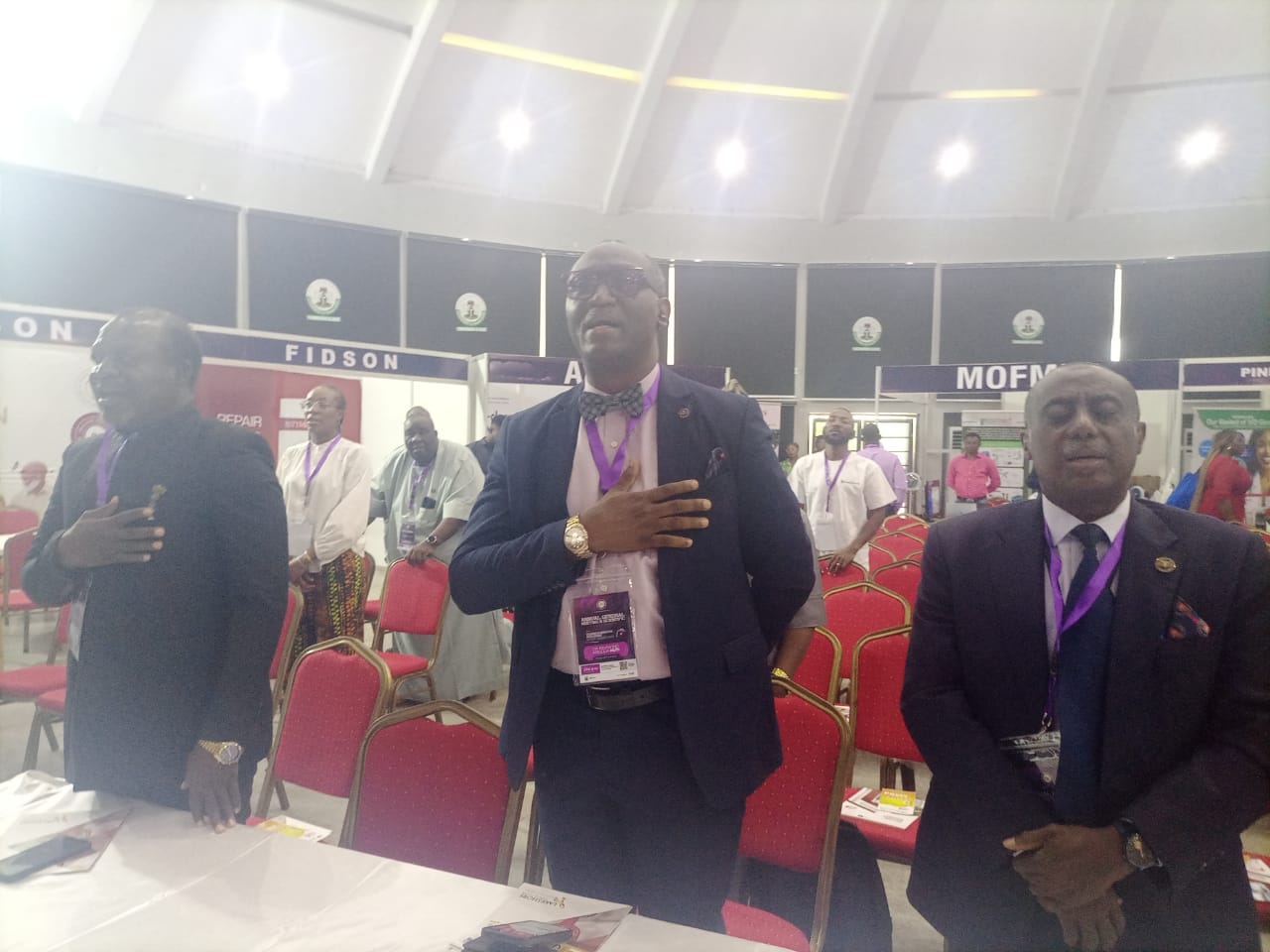
The medical director who made the call at the Annual General Meeting and Conference of the Guild of Medical Directors in Nigeria on Friday in Enugu with a theme: “The Business of Medicine in the Present Economic and Security Challenges in Nigeria,” with a sub-theme, ” Digital Health, Telemedicine, Integrating Electronic Medical Records (EMR) and AI Tools without Breaking the Bank,” lamented that many Nigerians who are sick cannot afford medical services which the NHIS could ameloriate.
Stressing the importance of the health insurance policy, Ohaegbulam wondered why policy makers are afraid to implement the compulsory scheme to save many a Nigerians from untimely deaths.
READ ALSO:Pasuma’s Fuji Afro Hits 300,000 Streams in 24 Hours
While charging doctors and healthcare givers to rise to the challenge and ensure that the health policy is implemented, the Memfys boss, said that there should be public sensitisation on the advantages of the compulsory NHIS on mass media, social media, churches, mosques and town union, pointing out that that done, “medical services will be available for everyone.”
Ohaegbulam attributed the parlous health challenges and inability to access quality healthcare to the bad economy and the attendant inflation that has pushed costs of services high, noting that every sector is feeling the heat.
“People come to the hospital but they cannot afford to pay the medical bill. At times they will say treat us, we pay later. Some pay but some others cannot. Health insurance is the solution to solving medical treatment.
“Unless the insurance scheme grows, it will be difficult for us to make a headway in Nigeria,” he posits.
READ ALSO:UK, Nigeria Strengthen Ties as Trade Hits £7.3bn
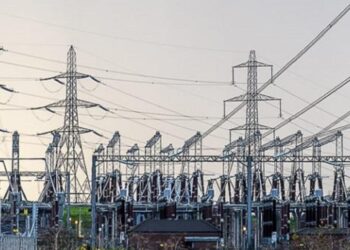
Apart from the lack of commitment to implementing the health insurance, Ohaegbulam, noted that insecurity, high cost of electricity and brain drain among medical personnel have muddled access to health services in Nigeria.
He further lamented that as a result of insecurity and poor remuneration of health personnel, surgeons trained in Nigeria go abroad for greener pasture.
“Brain drain is another problem facing medical treatment and medical services in Nigeria. Twn surgeons we have trained have keft the country. We train them but once they get the opportunity they move away. The cost of training surgeons is enormous but it is sad that we have to lose them to brain drain. Poor salary and bad economy has compounded the problem,” the Septugenarian physician laments.
President of the Guild of Medical Directors, Dr. Kuti Raymond Abiodun, who also saw the need to enforce the National Health Insurance Scheme, NHIS through the instrumentality of National Health Insurance Authority, NHIA, lamented that about 75% of Nigerians are yet to key into the health insurance policy, hence the many deaths accruing as a result.
“We need to expand health insurance coverage. For over 22 years, less than 25% of Nigerians have bought into the health insurance. Majority of the people insured are actually government workers. Many Nigerians in informal sectors are yet to get the NHIA insurance even though it is compulsory. We need to ask ourselves why. The main issues are TRUST, TRANSPARENCY and OPENNESS. Many Nigerians are not sure of getting value for money if they pay for the insurance.
“The government at both state and federal levels should be regulators of the scheme and not practitioners. We need an informed, rigorous and unbiased regulatory oversight of the NHIA, including public release of regular monitoring report from government agencies. This will give the populace a trust in the scheme,” he points out.
Abiodun lamented that the health sector is beset with mirade problems which include high interest rate for borrowing, high electricity tariff, taxation among others whereas they are expected to offer quality services.
“We are expected to give globally acceptable, decent, qualitative medical services, have access to mostly expensive equipment and guarantee suitable working environments in situations where the doctors are thinking of how to run the medical facilities on 30% bank interest rates, poor payment rates by patients, band A PHCN tariff and multiple taxations by the three levels of governments-federal, states and local governments.
“It is owing to this rather difficult situation that the theme of this conference has been set. In other words, “HOW DO WE SUSTAIN QUALITY MEDICAL PRACTICE IN A SOCIETY WHERE THE SAFETY OF HEALTH WORKERS IS UNCERTAIN AND THE FINANCIAL RESOURCES ARE INCREASINGLY INADEQUATE”
“On economic hardship, there is no doubt that there is a global recession in the world economy: riots over the past two weeks in France, Belgium, Portugal and in pockets of places in Germany. The situation in Nigeria is however compounded by systemic failure dating back years. These systemic problems can only be solved when the political will and courage to do so are available,” he posits.
Speaking to the Conference, host governor, Peter Mbah, said that his administration is committed to improving access to healthcare.
Mbah, represented by the Commissioner for Health, Prof. George Ugwu, pointed out efforts made in the state to ensure quality health by building modern hospitals equipped with latest medical equipments as well as paying the health personnel well to avoid strikes and brain drain.
According to him, they have put plans in motion to train about 1000 medical doctors and 3000 nurses every year, pointing out that they are about to make a law that every person in the state key into the health insurance scheme.
“We are assured that each year, Enugu will generate at least 1,000 doctors and about 3,000 nurses to feed this country and the whole world. We want to tell you that Enugu remain the very big industry in healthcare space as the years go by,” he said.
On electricity, Gov. Mbah pointed out that the government has formulated a policy to ensure adequate electricity supply to every household and industry by generating electricity through the abundant coal deposit in the state.