The Merit Newspaper
  • News
  • Arts and Culture
  • Business
  • Court Stories
  • Crime and Security
  • Culture
  • Education
  • Entertainment
  • Environment
  • Events
  • Features
  • International News
  • Investigative Reporting
  • Lifestyle
  • National News
  • Opinion
  • Politics
  • Properties
  • Regional News
  • Science
  • Special Features
  • Sports
  • Technology
  • Travel
  • World
  • Editorial
  • About Us
  • Religion
  • Contact Us
  • Terms of Service
  • Privacy Policy
No Result
View All Result
  • News
  • Arts and Culture
  • Business
  • Court Stories
  • Crime and Security
  • Culture
  • Education
  • Entertainment
  • Environment
  • Events
  • Features
  • International News
  • Investigative Reporting
  • Lifestyle
  • National News
  • Opinion
  • Politics
  • Properties
  • Regional News
  • Science
  • Special Features
  • Sports
  • Technology
  • Travel
  • World
  • Editorial
  • About Us
  • Religion
  • Contact Us
  • Terms of Service
  • Privacy Policy
No Result
View All Result
No Result
View All Result
Home Opinion

How Nigeria’s Lawmakers Went From Jumping Gates to Warming Seats

The Merit Newspaper by The Merit Newspaper
August 14, 2025
in Opinion
0
How Nigeria’s Lawmakers Went From Jumping Gates to Warming Seats
0
SHARES
44
VIEWS
Share on FacebookShare on TwitterLinkedInTelegram

In 2014 and 2018, they scaled fences to fight executive power. In 2025, they barely challenge it.
By Ibrahim Kegbegbe

There was a time when members of Nigeria’s National Assembly would scale gates and fences — in designer suits and Italian shoes — to defend what they claimed was the sanctity of democracy.
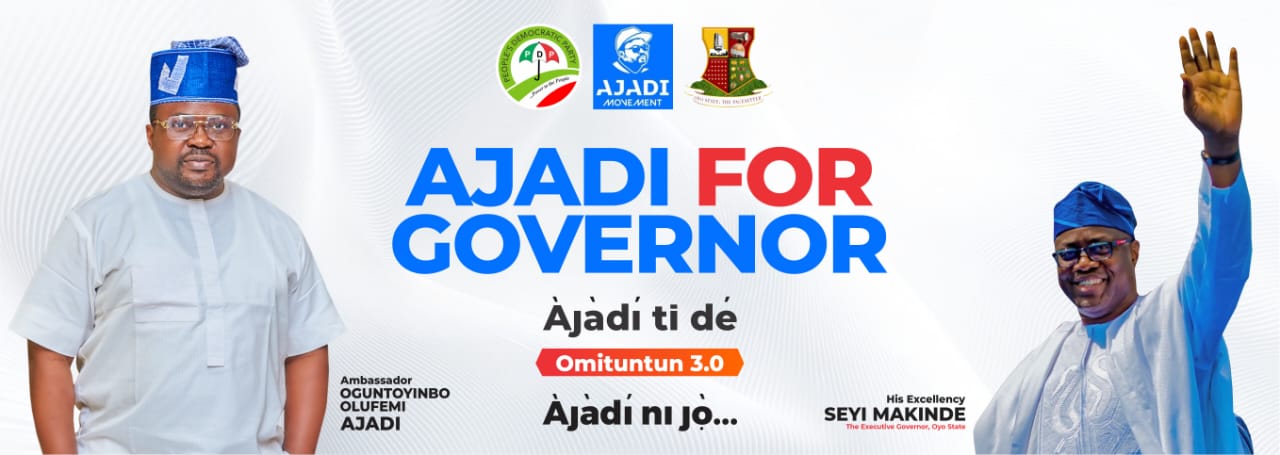
In November 2014, the country watched in astonishment as lawmakers loyal to then–Speaker Aminu Tambuwal, blocked by police from entering the National Assembly complex after his defection from the ruling Peoples Democratic Party (PDP) to the All Progressives Congress (APC), leapt over iron gates like schoolboys escaping a boarding school punishment. Their target was the Green Chamber, but their goal was to prove loyalty and to resist what they called “executive intimidation” under President Goodluck Jonathan.

Four years later, in April 2018, Nigerians witnessed another unforgettable spectacle. This time, the Red Chamber — the Senate — was in chaos after the mace, the symbol of legislative authority, was snatched by suspected thugs linked to a suspended senator. Locked-out lawmakers, desperate to restore proceedings, clambered over fences and gates to participate in the emergency session. It was a Senate under Bukola Saraki’s leadership, during the tense 8th National Assembly, and under the presidency of Muhammadu Buhari.

These moments, ridiculous yet symbolic, captured a National Assembly that — for all its flaws — still had members willing to cause a public scene for principles they claimed to believe in, whether or not their motives were pure.

The Tinubu Era: From Drama to Docility

Fast forward to 2025 under President Bola Ahmed Tinubu, and the National Assembly feels eerily quiet. No one is jumping fences — not because democracy is flourishing, but because the legislature has grown more comfortable as an extension of the executive arm than as a check on it.

Political analyst Dr. Chika Okonkwo puts it bluntly:

“Today’s lawmakers don’t need to climb fences — the gates have been flung wide open for them. The problem is, they’ve also left the gates of accountability wide open for the executive to walk through unchecked.”

READ ALSO:How Ex-Provost Secured TETFUND, BPP Approval to Fence Private Estate Under False Pretext

In a climate of rising cost of living, fuel subsidy removal pains, and the slow pace of palliative delivery, the chambers have not shown the fiery resistance Nigerians once saw, even if that fire sometimes burnt for selfish reasons. Fence jumping has been replaced with seat-warming.

A History of Legislative Shortcomings

It would be dishonest to romanticize the National Assembly of the past. Under President Olusegun Obasanjo, the legislature often appeared as a trading floor for political loyalty. Allegations of “Ghana Must Go” bribes became household talk, and lawmakers who tried to challenge executive overreach often found themselves victims of sudden impeachments or political exile.

Former lawmaker Hon. Buba Galadima once said:

“Under Obasanjo, you didn’t need to fear the opposition — you feared your own party if you refused to toe the line.”

During the Yar’Adua years, legislative oversight slowed to a crawl, partly because of the president’s ill health and partly due to the ruling party’s firm grip. That era was marked by more silence than substance — the chambers seemed more comfortable in inaction.

Under Goodluck Jonathan, despite moments of independence like Tambuwal’s defection standoff, the legislature was still plagued by budget padding allegations and an inability to hold ministries accountable for corruption.

The Buhari years offered their own theatre — from Saraki’s running battles with the executive to the mace-snatching saga — but the 9th Assembly under Ahmad Lawan became infamous for being a “rubber stamp” parliament, proudly declaring its loyalty to the presidency rather than the people. As one political historian, Dr. Hadiza Musa, observed:

“Lawan didn’t even hide it — he told us he would approve anything the executive brought. At least the fence jumpers gave us suspense.”

Where Do We Go From Here?

The National Assembly, by constitutional design, is supposed to be the people’s parliament — the guardian of checks and balances, the institution that keeps presidents humble. Yet, over the last two decades, whether under Obasanjo’s political muscle, Yar’Adua’s quiet rule, Jonathan’s balancing act, Buhari’s divided chambers, or Tinubu’s current dominance, the legislature has failed to consistently protect Nigerians from poor governance.

The fence-jumping of 2014 and 2018 may have been messy, even comical, but it at least showed a spark of defiance. Today, with a subdued Assembly that rarely questions the presidency, one wonders if silence has become more dangerous than chaos.

Former Senate staffer Yakubu Danladi sums it up with an uneasy truth:

“It’s better to have lawmakers who make a ruckus than lawmakers who make excuses.”

Nigeria doesn’t need lawmakers who can leap fences. It needs lawmakers who can leap into action, not for their political godfathers or personal ambitions, but for the millions of citizens who expect more than theatrics and empty promises.

READ ALSO:Lagos APC Slams Aregbesola for ‘Betrayal’, Says ADC’s ‘New Deal’ is Empty Rhetoric

Until then, the gates of the National Assembly may stay open — but the gates of accountability remain firmly shut.

Ibrahim Kegbegbe is a journalist and public affairs analyst. He writes from Lagos.
The Merit Newspaper

The Merit Newspaper

The Editor-in-Chief, Ibrahim Kegbegbe, is an international journalist with extensive experience across Nigeria and other African countries, specializing in insightful reporting on entertainment, politics, education, and business. Gmail: ibrahimtaofeekkegbegbe@gmail.com Phone: 08024248696

Related Posts

Ramadan in Hard Times: Faith, Hunger and Hope in Nigeria
Opinion

Ramadan in Hard Times: Faith, Hunger and Hope in Nigeria

February 17, 2026
Opinion: What Trump’s Praise of Remi Tinubu Really Signals
Opinion

Opinion: What Trump’s Praise of Remi Tinubu Really Signals

February 6, 2026
2026 Grammys Shine Spotlight on Africa’s Global Music Power
Opinion

Is the Grammys Playing It Safe With Africa?

February 1, 2026
Next Post
From London to America: Pasuma’s Promise to Tiri Leather Fulfilled

From London to America: Pasuma’s Promise to Tiri Leather Fulfilled

Tinubu’s Economic Reforms Working, Nigerian Economy Stable — Okonjo-Iweala

Tinubu’s Economic Reforms Working, Nigerian Economy Stable — Okonjo-Iweala

Meet the World’s Deadliest Assassin: Bad Grammar

Meet the World’s Deadliest Assassin: Bad Grammar

Leave a Reply Cancel reply

Your email address will not be published. Required fields are marked *

Follow Us

Recommended

President Tinubu Mourns Chief Edwin Clark

President Tinubu Mourns Chief Edwin Clark

1 year ago
Can Kollington Ayinla Resolve Fuji Music’s Crisis After K1’s Failed Attempt to Mediate?

Can Kollington Ayinla Resolve Fuji Music’s Crisis After K1’s Failed Attempt to Mediate?

1 year ago
Bullion Records Breaks Into Nigeria’s Top 3 Record Labels, Shaking Up Afrobeats Powerhouses

Bullion Records Breaks Into Nigeria’s Top 3 Record Labels, Shaking Up Afrobeats Powerhouses

5 months ago
Hope and Fragility: Inside the Ceasefire Bringing Gaza’s Displaced Back Home

Hope and Fragility: Inside the Ceasefire Bringing Gaza’s Displaced Back Home

1 year ago

Instagram

    Please install/update and activate JNews Instagram plugin.

Categories

  • Arts and Culture
  • Business
  • Court Stories
  • Crime and Security
  • Culture
  • Editorial
  • Education
  • Entertainment
  • Environment
  • Events
  • Features
  • International News
  • Investigative Reporting
  • Lifestyle
  • National News
  • News
  • Opinion
  • Politics
  • Regional News
  • Religion
  • Science
  • Special Features
  • Sports
  • Technology
  • Travel
  • Uncategorized
  • World
No Result
View All Result

Highlights

Ajadi Hails Oyo Speaker Ogundoyin at 39, Describes Him as Beacon of Purposeful Leadership

Ramadan in Hard Times: Faith, Hunger and Hope in Nigeria

EFCC Detains El-Rufai Overnight Over Alleged Financial Improprieties

FG Files Cybercrime Charges Against El-Rufai Over Alleged NSA Phone Interception

Ajadi, Dignitaries Grace 80th Birthday of Alhaji Chief Yunus Omokunmi Mustapha in Iseyin

Abioro Athande Advocates Federal Support for Grassroots Youth Empowerment Foundations

Trending

Kano By-Election: APC Leads as PDP, NNPP, ADC Missing
News

Kano By-Election: APC Leads as PDP, NNPP, ADC Missing

by The Merit Newspaper
February 21, 2026
0

By Ibrahim Kegbegbe Kano — The candidate of the All Progressives Congress (APC) appeared on course for...

Why Sheikh El-Lory Warns Against Conspiracy at Markaz Agege Tafseer

Why Sheikh El-Lory Warns Against Conspiracy at Markaz Agege Tafseer

February 18, 2026
Ajadi Assures Oyo Transport Unions of Continued Good Governance, Says PDP Will Produce Next Governor in 2027

Ajadi Assures Oyo Transport Unions of Continued Good Governance, Says PDP Will Produce Next Governor in 2027

February 18, 2026
Ajadi Hails Oyo Speaker Ogundoyin at 39, Describes Him as Beacon of Purposeful Leadership

Ajadi Hails Oyo Speaker Ogundoyin at 39, Describes Him as Beacon of Purposeful Leadership

February 17, 2026
Ramadan in Hard Times: Faith, Hunger and Hope in Nigeria

Ramadan in Hard Times: Faith, Hunger and Hope in Nigeria

February 17, 2026
  • News
  • Arts and Culture
  • Business
  • Court Stories
  • Crime and Security
  • Culture
  • Education
  • Entertainment
  • Environment
  • Events
  • Features
  • International News
  • Investigative Reporting
  • Lifestyle
  • National News
  • Opinion
  • Politics
  • Properties
  • Regional News
  • Science
  • Special Features
  • Sports
  • Technology
  • Travel
  • World
  • Editorial
  • About Us
  • Religion
  • Contact Us
  • Terms of Service
  • Privacy Policy

© 2025 The Merit Newspaper

No Result
View All Result
  • News
  • Arts and Culture
  • Business
  • Court Stories
  • Crime and Security
  • Culture
  • Education
  • Entertainment
  • Environment
  • Events
  • Features
  • International News
  • Investigative Reporting
  • Lifestyle
  • National News
  • Opinion
  • Politics
  • Properties
  • Regional News
  • Science
  • Special Features
  • Sports
  • Technology
  • Travel
  • World
  • Editorial
  • About Us
  • Religion
  • Contact Us
  • Terms of Service
  • Privacy Policy

© 2025 The Merit Newspaper