The Merit Newspaper
  • News
  • Arts and Culture
  • Business
  • Court Stories
  • Crime and Security
  • Culture
  • Education
  • Entertainment
  • Environment
  • Events
  • Features
  • International News
  • Investigative Reporting
  • Lifestyle
  • National News
  • Opinion
  • Politics
  • Properties
  • Regional News
  • Science
  • Special Features
  • Sports
  • Technology
  • Travel
  • World
  • About Us
  • Religion
  • Contact Us
No Result
View All Result
  • News
  • Arts and Culture
  • Business
  • Court Stories
  • Crime and Security
  • Culture
  • Education
  • Entertainment
  • Environment
  • Events
  • Features
  • International News
  • Investigative Reporting
  • Lifestyle
  • National News
  • Opinion
  • Politics
  • Properties
  • Regional News
  • Science
  • Special Features
  • Sports
  • Technology
  • Travel
  • World
  • About Us
  • Religion
  • Contact Us
No Result
View All Result
No Result
View All Result
Home Business

Why Printing More Money Can Make Nigerians Poorer

The Merit Newspaper by The Merit Newspaper
August 31, 2025
in Business
0
Why Printing More Money Can Make Nigerians Poorer
0
SHARES
46
VIEWS
Share on FacebookShare on TwitterLinkedInTelegram

Why borrowing builds economies while reckless printing wrecks them.
By Ibrahim Kegbegbe

I still remember my final semester in ND2 when I first sat in an economics class that opened my eyes to how money works. I may not claim to be an international authority on the subject. Still, as a journalist whose instinct is to know something about everything—or everything about something—I have since carried that curiosity with me. And it is with that same instinct that I attempt to explain one of the most common economic complaints I hear from Nigerians: why do countries like ours borrow money instead of simply printing more?
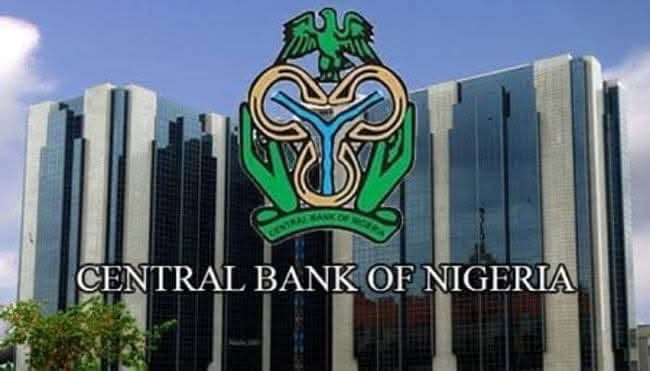
Every now and then, a curious Nigerian asks: “Why does Nigeria borrow money from international bodies or developed countries when the President can simply order the Central Bank to print more naira?” At first glance, the question sounds logical. After all, if you can create money with the stroke of a pen or the click of a machine, why endure the humiliation of borrowing abroad?

The truth, however, is more complicated—and more important for students of banking, finance, economics, and indeed every citizen, to understand. Printing money and borrowing money may both increase government spending power, but the long-term consequences are worlds apart.

Printing More Money: The Tempting but Dangerous Option

Think of it this way: if you pour more water into a pot of soup without adding more meat, fish, or pepper, the soup becomes watery and tasteless. Printing money works the same way. When a central bank prints more money without a corresponding increase in goods and services, the value of that money falls.

Economists call this inflation. Imagine a village with only ten loaves of bread available in the market. If the government distributes N10,000 to everyone without producing more bread, people will rush to buy those same ten loaves. The bakers cannot meet the sudden surge in demand, so they raise the price. Before long, one loaf that sold for N500 yesterday is selling for N5,000. The money in your pocket loses its value.

READ ALSO:Mudir Markaz Clarifies Misinterpretations of His Recent Lectures

This is why countries like Zimbabwe and Venezuela saw the price of ordinary items shoot through the roof when they printed money recklessly. In extreme cases, people carried wheelbarrows of cash just to buy bread.

Borrowing: The Safer and Strategic Choice

Borrowing, on the other hand, is like when a farmer borrows yam seedlings from a neighbour, plants them, and later repays the neighbour with both yams and interest. The farmer increases his production and still sustains the relationship.

International loans—whether from the World Bank, IMF, or developed countries—are usually tied to specific projects like building roads, power plants, schools, or hospitals. When properly used, such loans stimulate economic growth, create jobs, and expand production capacity.

For instance, if Nigeria borrows $1 billion to fix electricity, industries can produce more goods, farmers can store crops longer, and businesses can thrive. The economy grows, and the loan can be repaid from the wealth created. Printing money alone cannot achieve this; it only spreads poverty more evenly.

Why Poorer Nations Borrow More

Some people ask: “Why do countries that are already financially weak borrow, instead of printing?” The answer is discipline. Printing money is like a student forging exam results to escape hard work—temporary relief, but disastrous later. Borrowing, on the other hand, forces countries to take responsibility, because loans come with repayment conditions, interest rates, and deadlines. These conditions, though sometimes painful, act as a reminder to plan properly and manage resources better.

READ ALSO:Ganduje’s Visit Quashes APC Rift Rumours, Shows Party Unity

The Nigerian Reality

Nigeria, with its dependence on oil revenue and limited diversification, often finds itself short of funds to finance critical infrastructure. Printing more naira will not bring in foreign exchange, pay for imports, or attract investors. Borrowing, while not perfect, gives Nigeria access to dollars, euros, and other stable currencies needed for trade and development.

A Lesson for Future Bankers and Economists

For prospective students of banking, finance, and economics, here is the heart of the matter: money is not wealth; it is only a receipt or a symbol of wealth. Real wealth lies in production—goods, services, skills, and innovations. Printing more naira does not magically increase Nigeria’s wealth; it only reduces the value of what already exists. Borrowing, if wisely managed, can boost production and lead to long-term prosperity.

READ ALSO:Nigeria, Brazil Launch Direct Commercial Flights

So, the next time you hear someone ask why Nigeria does not simply print more money instead of borrowing, remember the soup analogy: more water does not mean more nourishment. Nations borrow not because they are blind to the printing press, but because they understand the dangers of destroying their currency. Borrowing, though uncomfortable, is often the lesser evil and, if managed with integrity, the wiser path to sustainable development.

Ibrahim Kegbegbe is a journalist and public affairs analyst. He writes from Lagos.

The Merit Newspaper

The Merit Newspaper

The Editor-in-Chief, Ibrahim Kegbegbe, is an international journalist with extensive experience across Nigeria and other African countries, specializing in insightful reporting on entertainment, politics, education, and business. Gmail: ibrahimtaofeekkegbegbe@gmail.com Phone: 08024248696

Related Posts

Fuel Crisis Alert: Dangote Accuses PENGASSAN of Lawlessness
Business

Fuel Crisis Alert: Dangote Accuses PENGASSAN of Lawlessness

September 27, 2025
Demo Cocktail Services Redefines Lagos Event Experience
Business

Demo Cocktail Services Redefines Lagos Event Experience

September 15, 2025
Global Power Play: Dangote and Trump Exchange Smiles in Qatar
Business

Global Power Play: Dangote and Trump Exchange Smiles in Qatar

May 16, 2025
Next Post
Atiku, Amaechi: The Unlikely Pair That Threatens PDP, APC

Atiku, Amaechi: The Unlikely Pair That Threatens PDP, APC

NNPP: Hon. Akingbala Commends INEC, DSS for Ensuring Transparent Voter Registration in Ogun

NNPP: Hon. Akingbala Commends INEC, DSS for Ensuring Transparent Voter Registration in Ogun

Nigeria’s TVC, Arise TV End Silent Rift Over Newspaper Reviews

Nigeria’s TVC, Arise TV End Silent Rift Over Newspaper Reviews

Leave a Reply Cancel reply

Your email address will not be published. Required fields are marked *

Follow Us

Recommended

Nigeria vs Nigeria: Super Eagles’ Own Goal Comedy in World Cup Qualifier

Nigeria vs Nigeria: Super Eagles’ Own Goal Comedy in World Cup Qualifier

3 months ago
Africa: The Richest Yet Poorest Continent – Chef Mathew Nduba Exposes Western Exploitation and Government Failures

Africa: The Richest Yet Poorest Continent – Chef Mathew Nduba Exposes Western Exploitation and Government Failures

1 year ago
2027 Elections: The Journalists Nigeria Deserves

2027 Elections: The Journalists Nigeria Deserves

4 months ago
NNPP Chieftain, Ambassador Ajadi Mourns Kano Athletes, Sends Condolences to Governor Yusuf

NNPP Chieftain, Ambassador Ajadi Mourns Kano Athletes, Sends Condolences to Governor Yusuf

7 months ago

Instagram

    Please install/update and activate JNews Instagram plugin.

Categories

  • Arts and Culture
  • Business
  • Court Stories
  • Crime and Security
  • Culture
  • Education
  • Entertainment
  • Environment
  • Events
  • Features
  • International News
  • Investigative Reporting
  • Lifestyle
  • National News
  • News
  • Opinion
  • Politics
  • Regional News
  • Religion
  • Science
  • Special Features
  • Sports
  • Technology
  • Travel
  • Uncategorized
  • World
No Result
View All Result

Highlights

Ogun Court Declares Wale Adedayo’s Impeachment Illegal

FG Opens Lagos–Calabar Highway Section 1 Tomorrow

Political Earthquake as Adeleke, Fubara Dump PDP

Ajadi Tells Oyo Councillors in Iseyin: I Represent Omituntun 3.0, Continuity of Makinde’s Governance

Adeleke Quits PDP Hours Before Governorship Primary as Crisis Deepens

Nigeria’s Defence Minister Quits Amid National Security Emergency

Trending

Sanwo-Olu: Adiyan Waterworks to Deliver 140M Gallons Daily
News

Sanwo-Olu: Adiyan Waterworks to Deliver 140M Gallons Daily

by The Merit Newspaper
December 12, 2025
0

Babajide Sanwo-Olu By Lateef Odegbenle Lagos State Governor Babajide Sanwo-Olu has announced that the 140-million-gallon-per-day Adiyan Water...

Ajadi Celebrates PDP Iseyin Chairman, Alhaji Musediq Ajigbotosho Adele, on His Birthday

Ajadi Celebrates PDP Iseyin Chairman, Alhaji Musediq Ajigbotosho Adele, on His Birthday

December 12, 2025
How ‘Luck’ Defined Two Nigerian Political Journeys

How ‘Luck’ Defined Two Nigerian Political Journeys

December 11, 2025
Ogun Court Declares Wale Adedayo’s Impeachment Illegal

Ogun Court Declares Wale Adedayo’s Impeachment Illegal

December 11, 2025
FG Opens Lagos–Calabar Highway Section 1 Tomorrow

FG Opens Lagos–Calabar Highway Section 1 Tomorrow

December 11, 2025
  • News
  • Arts and Culture
  • Business
  • Court Stories
  • Crime and Security
  • Culture
  • Education
  • Entertainment
  • Environment
  • Events
  • Features
  • International News
  • Investigative Reporting
  • Lifestyle
  • National News
  • Opinion
  • Politics
  • Properties
  • Regional News
  • Science
  • Special Features
  • Sports
  • Technology
  • Travel
  • World
  • About Us
  • Religion
  • Contact Us

© 2025 The Merit Newspaper

No Result
View All Result
  • News
  • Arts and Culture
  • Business
  • Court Stories
  • Crime and Security
  • Culture
  • Education
  • Entertainment
  • Environment
  • Events
  • Features
  • International News
  • Investigative Reporting
  • Lifestyle
  • National News
  • Opinion
  • Politics
  • Properties
  • Regional News
  • Science
  • Special Features
  • Sports
  • Technology
  • Travel
  • World
  • About Us
  • Religion
  • Contact Us

© 2025 The Merit Newspaper