
The Merit Newspaper
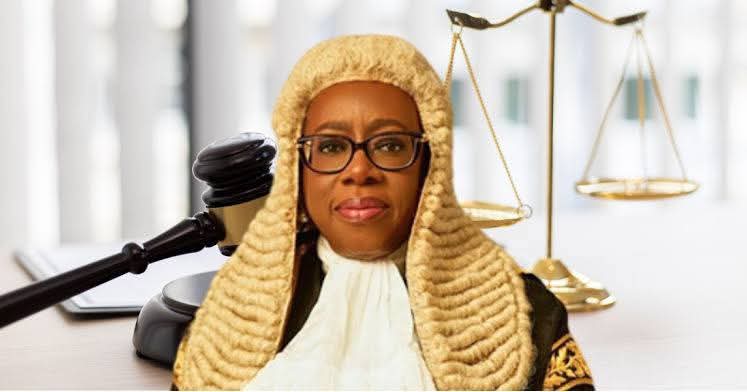
Chief Justice of Nigeria (CJN), Justice Kudirat Kekere-Ekun, has warned lawyers against forum shopping in politically sensitive cases and condemned the use of social media to intimidate, threaten or personally attack judicial officers, stressing the need to protect the integrity of the judiciary ahead of the 2027 general elections.

Kekere-Ekun gave the warning on Monday, October 12, 2026, during a special session of the Supreme Court in Abuja to mark the commencement of the 2026/2027 legal year, where she called on judges and lawyers to uphold professional ethics, impartiality and respect for established judicial procedures.
The CJN expressed concern that the filing of multiple lawsuits seeking substantially similar reliefs, or deliberately choosing courts perceived to be favourable to particular parties, could produce conflicting court orders, undermine judicial authority and delay the administration of justice.
According to her, politically sensitive disputes require greater professional responsibility from legal practitioners, particularly as political parties and prospective candidates prepare for the 2027 elections.
She urged lawyers to disclose related cases already pending before other courts and respect the jurisdiction of judicial institutions, warning that the growing volume of political litigation must not prevent other litigants from obtaining timely justice.
Kekere-Ekun maintained that the responsibility of lawyers extends beyond securing immediate advantages for their clients to protecting the integrity and orderly functioning of the judicial system. She also cautioned judges against political associations or conduct capable of creating an appearance of partiality, emphasising that judicial officers must remain guided by the Constitution and their oath of office.
Addressing the growing influence of social media on public discussions about court proceedings, the CJN condemned attempts to turn professional disagreements into personal attacks, threats, ridicule and harassment against judges and legal practitioners.
“The administration of justice cannot be left to anger, intimidation or trial by social media,” she said.
She stressed that judges must be able to determine cases according to the law without fear of retaliation, while lawyers should be free to present legitimate arguments without intimidation.
The CJN urged individuals dissatisfied with court judgments or the conduct of judicial officers to use established channels for appeals, complaints and professional disciplinary matters rather than resorting to personal attacks or online harassment.
READ ALSO:Military Kills Over 40 ISWAP Fighters in Borno Airstrike
Her remarks highlight two related challenges confronting the justice system: the potential abuse of court procedures in politically charged disputes and the risk that intimidation through social media could undermine public confidence in judicial institutions.
As preparations for the 2027 elections gather momentum, disputes involving political party primaries, candidate eligibility and other electoral matters are expected to place considerable demands on the courts. The CJN’s warning underscores the importance of ensuring that such disputes are resolved through lawful procedures and impartial adjudication.
READ ALSO:FG Approves Higher Feeding Budget for NYSC Members
At the same session, Kekere-Ekun disclosed that the Supreme Court handled 2,456 matters during the 2025/2026 legal year and delivered 411 judgments. The figures illustrate the workload confronting the apex court as it continues efforts to improve case management and reduce delays.
READ ALSO:Okorocha’s Alleged Arrest Sparks Controversy
She also emphasised the need to strengthen the judiciary’s institutional capacity and ensure that judicial officers can discharge their responsibilities without political pressure or intimidation.
The Merit Newspaper reports that the CJN’s message places responsibility on both the Bench and the Bar to preserve professional standards, respect due process and protect the independence of the judiciary, while reminding members of the public that legitimate criticism of judicial decisions should be distinguished from threats, harassment and attempts to influence proceedings improperly.
With the 2027 general elections approaching, the effectiveness with which lawyers, judges and other stakeholders uphold these principles will remain important to the timely resolution of disputes and public confidence in the administration of justice.