By The Merit Newspaper, Lagos | October 20, 2026
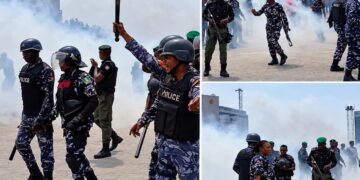
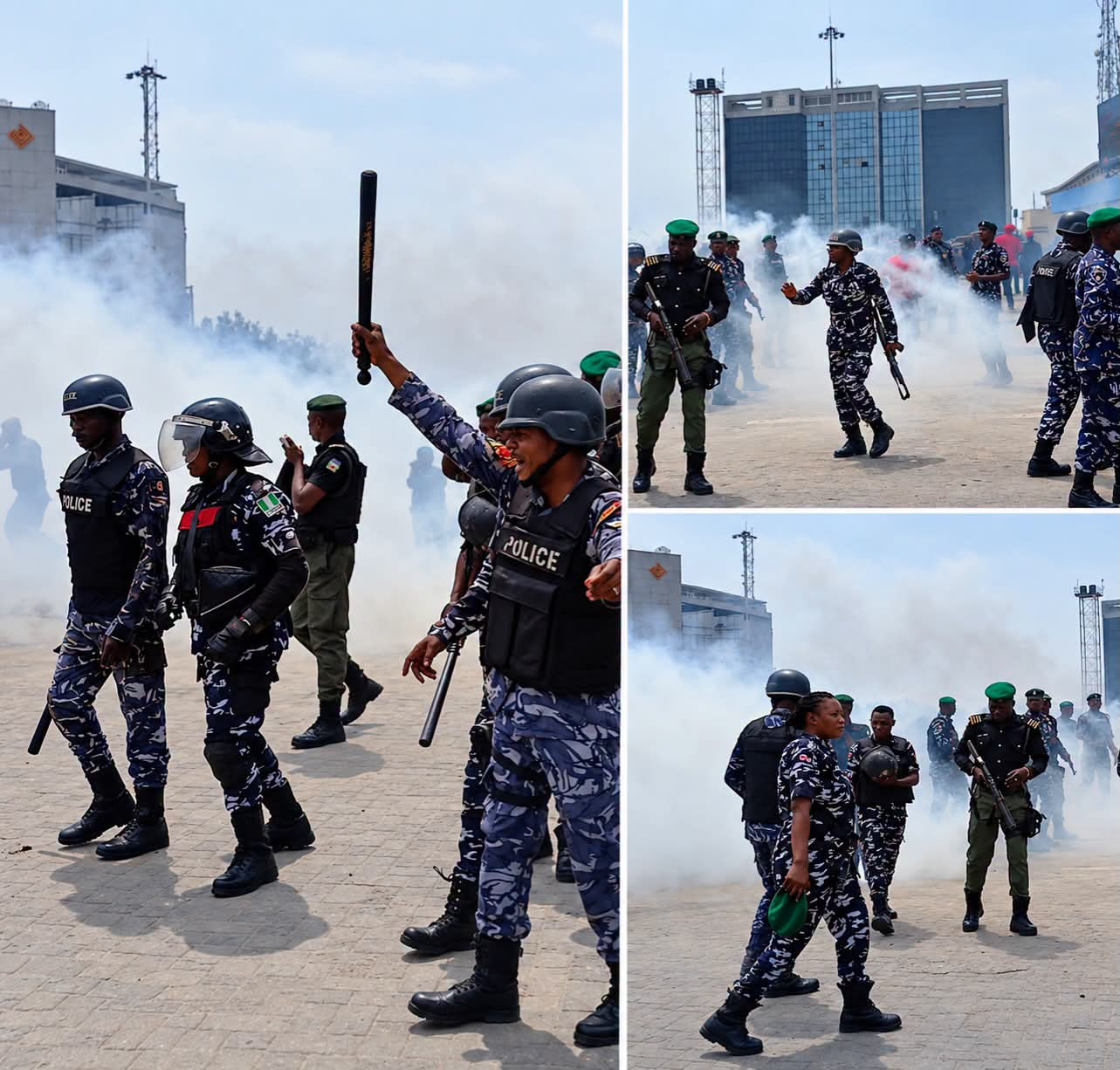
Police officers reportedly fired tear gas on Tuesday to disperse activists and other Nigerians who gathered at the Lekki Toll Gate in Lagos to commemorate the sixth anniversary of the #EndSARS protests, renewing concerns about the right to peaceful assembly and the unresolved questions surrounding the October 20, 2020 shootings.

The gathering, organised to honour those who died during the protests against police brutality, was disrupted before participants could complete their planned remembrance activities, according to media reports.
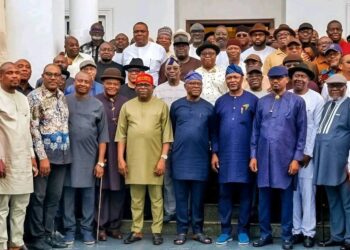
Among those at the toll gate were Funso Doherty, the Nigeria Democratic Congress (NDC) governorship candidate in Lagos State, and Gbadebo Rhodes-Vivour of the African Democratic Congress (ADC).
The incident occurred at a location that has remained a powerful symbol of the struggle against police brutality and the demand for accountability in Nigeria. The planned commemoration was intended to remember the victims and renew calls for police reforms and justice for those affected by the 2020 demonstrations.
How the #EndSARS Protests Began
The #EndSARS movement gained nationwide momentum in October 2020 following renewed public outrage over allegations of harassment, extortion, torture and extrajudicial killings involving the now-disbanded Special Anti-Robbery Squad (SARS), a unit of the Nigeria Police Force.
Young Nigerians took to the streets in Lagos and other parts of the country, demanding an end to police brutality, accountability for alleged abuses and comprehensive reforms of the country’s policing system.
The Lekki Toll Gate became one of the movement’s most prominent protest locations, attracting demonstrators who gathered for days, holding placards, singing, making speeches and providing support to fellow protesters.
On the evening of October 20, 2020, soldiers were deployed to the toll gate, where protesters were gathered. Reports from eyewitnesses and human rights organisations documented the use of firearms against demonstrators, leaving people dead and injured.
Amnesty International reported on October 21, 2020, that its investigation had found at least 12 people killed at the Lekki Toll Gate and Alausa protest grounds combined. The organisation said eyewitness accounts, video footage and hospital reports indicated that security personnel opened fire on protesters.
Human Rights Watch subsequently documented accounts of soldiers firing at demonstrators and reported that it could not independently establish the total number of people killed at the toll gate.
The shootings provoked widespread condemnation in Nigeria and internationally, turning the Lekki Toll Gate into a lasting symbol of demands for justice, civil liberties and security-sector accountability.
Casualty Figures Remain Disputed
The number of people killed during the Lekki Toll Gate incident has remained one of the most contentious aspects of the #EndSARS protests.
In November 2021, the Lagos State Judicial Panel of Inquiry submitted findings that included accounts of deaths and injuries at the toll gate. Reports on the panel’s findings stated that nine deaths were recorded at the location and described the incident as a massacre.
The Lagos State Government subsequently rejected key aspects of the panel’s conclusions in its White Paper, disputing the finding that nine people died at the toll gate during the incident.
The differing accounts have sustained public debate about the number of victims, the circumstances surrounding the shootings and the extent to which those responsible have been held accountable.
Amnesty International’s investigation reported at least 12 deaths across the Lekki and Alausa locations combined. Human Rights Watch, meanwhile, said it could not ascertain the total number killed by the military at Lekki.
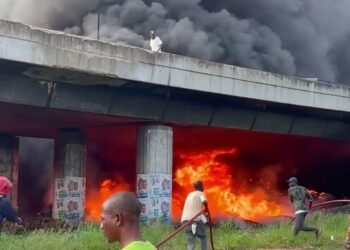
READ ALSO:FRSC Orders Probe into Otedola Bridge Tanker Inferno
These figures relate to different investigations and locations and should not be treated as interchangeable. The disagreement over the evidence and casualty figures has continued to shape public discussion of the incident.
For families of victims, survivors and rights advocates, the demand for accountability remains central to the significance of the anniversary.
Tear Gas at the Sixth Anniversary
Tuesday’s reported use of tear gas has brought renewed attention to the treatment of people who gather at the toll gate to remember the victims.
READ ALSO:Rivers Assembly Reinstates Three Pro-Fubara Lawmakers
Channels Television reported that police fired tear gas to disperse the gathering, forcing participants to flee the area. The report said activists maintained that they would continue to demand justice and reforms associated with the #EndSARS movement.
The Merit Newspaper reports that the circumstances surrounding the police intervention, including the reason for the dispersal and whether prior warnings were issued, were not fully established in the reports available at the time of writing.
The latest incident follows previous confrontations during anniversary commemorations. In October 2021, police used tear gas during a memorial procession at the toll gate. In October 2024, security operatives again dispersed people who had gathered to mark the fourth anniversary, with reports of arrests and the use of tear gas.
These repeated confrontations have raised concerns among activists and civil society groups about the ability of Nigerians to commemorate victims and exercise their constitutional rights to peaceful assembly and expression.
An official explanation from the Lagos State Police Command concerning Tuesday’s reported intervention was not available in the reports reviewed for this article.
Six Years On, Calls for Justice Continue
Six years after the shootings, the #EndSARS movement remains a significant chapter in Nigeria’s contemporary history, particularly in discussions about police accountability, the protection of human rights and the relationship between young people and public institutions.
Although the government disbanded SARS in October 2020 following widespread protests, campaigners have continued to call for meaningful police reforms, accountability for abuses and adequate remedies for victims and their families.
READ ALSO:Ajadi, Oyo Central Ward Chairmen Reaffirm Grassroots Bond Ahead of 2027
Human Rights Watch, in its assessment of the crackdown, called on Nigerian authorities to demonstrate a commitment to investigating abuses and holding those responsible to account.
The Lekki Toll Gate therefore remains more than a physical landmark. For many Nigerians, it represents the lives lost, the demands made by a generation of protesters and the continuing debate over whether justice has been achieved.
As the country marks the sixth anniversary, the reported disruption of the remembrance gathering has once again placed peaceful protest, police conduct and accountability at the centre of public attention.
For families, survivors and supporters of the #EndSARS movement, October 20 remains a day to remember the dead, reflect on the events of 2020 and renew calls for answers to questions that continue to divide public opinion.