
By Ibrahim Kegbegbe
In Nigeria’s democratic arrangement, the law draws a clear line between executive and legislative offices. While presidents, governors and local government chairmen are constitutionally restricted to a maximum of two terms in office, legislators — councillors, members of State Houses of Assembly, the House of Representatives and the Senate — are legally permitted to contest elections indefinitely.
Legality, however, does not always equate to morality.
The troubling reality is that many legislative seats across the country have been converted into personal estates, occupied by the same individuals for decades, despite the presence of young, vibrant, educated and capable citizens within those constituencies. What should be a rotating platform for representation has become a permanent occupation for a political few.
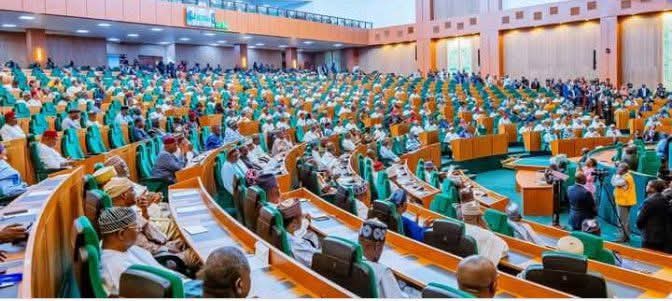
This raises a fundamental question: Is it right for one individual to monopolise the political future of a constituency simply because the law allows it?
Representation Is Not Inheritance
Democracy thrives on choice, competition and renewal. When the same legislator represents a constituency for three, four or even five terms, the spirit of democracy is weakened. New ideas are suffocated, emerging leaders are discouraged, and governance becomes stagnant.
Constituencies are not short of qualified people. Across Nigeria, there are academics, professionals, entrepreneurs and civic leaders who possess the intellect, exposure and passion to serve. Yet, they are often sidelined by entrenched politicians who rely not on performance but on patronage.
The Politics of Rice, Chicken and Tokenism
What baffles many observers is the continued support these long-serving legislators enjoy from the very people they under-serve. Election after election, constituents rally behind familiar faces, not because of legislative achievements, but because of handouts.
A bag of rice during Christmas. A chicken during Eid. Cash shared at a quarterly “town hall meeting.”
Once these tokens are distributed, political loyalty is secured.
This culture of transactional politics has reduced governance to charity and representation to seasonal generosity. Citizens are conditioned to celebrate crumbs instead of demanding structure, policy and development.
Bench Warmers in the House
The tragedy is deeper when one examines the performance of many of these legislators. Some have never sponsored a meaningful bill. Some have never moved a motion addressing the specific needs of their constituency. In the chambers, they are largely invisible — bench warmers who merely occupy seats.
Yet, they enjoy the full privileges of office: hefty salaries, constituency allowances, wardrobe allowances, food allowances, security votes and even newspaper allowances. All these benefits are funded by public resources, while the constituencies they represent remain underdeveloped.
Roads remain impassable. Schools decay. Primary healthcare centres lack equipment. Youth unemployment worsens.
Still, the same names appear on the ballot.
The Cost of Political Ignorance
This cycle persists largely because of political ignorance and voter complacency. Many citizens are unaware of what legislative representation truly entails. Representation is not about sharing money; it is about law-making, oversight and advocacy.
A legislator should be the voice of the people, pushing bills that address education, security, healthcare and economic empowerment. They should scrutinise executive actions, defend public interest and attract meaningful projects to their constituencies.
When citizens fail to measure their representatives by these standards, they empower mediocrity and punish excellence.
A Moral Case for Term Limits in the Legislature
While the constitution may not impose term limits on legislators, there is a compelling moral argument for self-restraint and voter-driven limits. Leadership should be about service, not survival. Public office should not be a lifetime entitlement.
READ ALSO:Ajadi Felicitates Nigerians, Oyo Residents on New Year, Preaches Unity, Renewal
Constituencies must begin to ask hard questions:
What bills has this representative sponsored?
What motions have they raised?
How has our constituency improved because of their presence in the legislature?
If the answers are unsatisfactory, sentiment and familiarity should not override accountability.
The Power Ultimately Lies with the People
Democracy does not fail because of bad leaders alone; it fails because good people tolerate them. Until citizens reject tokenism, resist inducement and prioritise competence over charity, the cycle of perpetual representation will continue.
Nigeria’s democracy will only mature when voters understand that their mandate is more valuable than a bag of rice, and that their future cannot be exchanged for festive handouts.
READ ALSO:Ogun NNPP Chairman Aina Urges Members to Remain Steadfast, Expresses Hope Ahead of 2026
It is time to stop recycling underperforming legislators and start renewing representation. The law may permit endless ambition, but the people must insist on purposeful leadership.
Ibrahim Taofeek Kegbegbe is a journalist and a public affairs analyst