Editorial | The Merit Newspaper
Lagos, Nigeria -November 23, 2026

As Nigeria gradually approaches the 2027 general elections, political activities are increasingly dominating public conversations, social engagements and national attention. From political party meetings and campaign strategies to alliances, defections, candidate declarations and electoral calculations, the country’s political atmosphere is becoming more intense by the day.
Understandably, the forthcoming elections are important. They will determine who occupies some of the most influential political offices in the country and, to a considerable extent, shape the direction of Nigeria’s political and economic future.
However, amid the growing political excitement and anxiety, there is an important concern that deserves the attention of Nigerians: are we becoming so preoccupied with the forthcoming elections that we are gradually forgetting other important events, celebrations and responsibilities that are equally part of our lives?
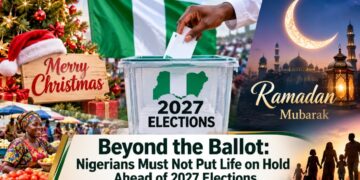
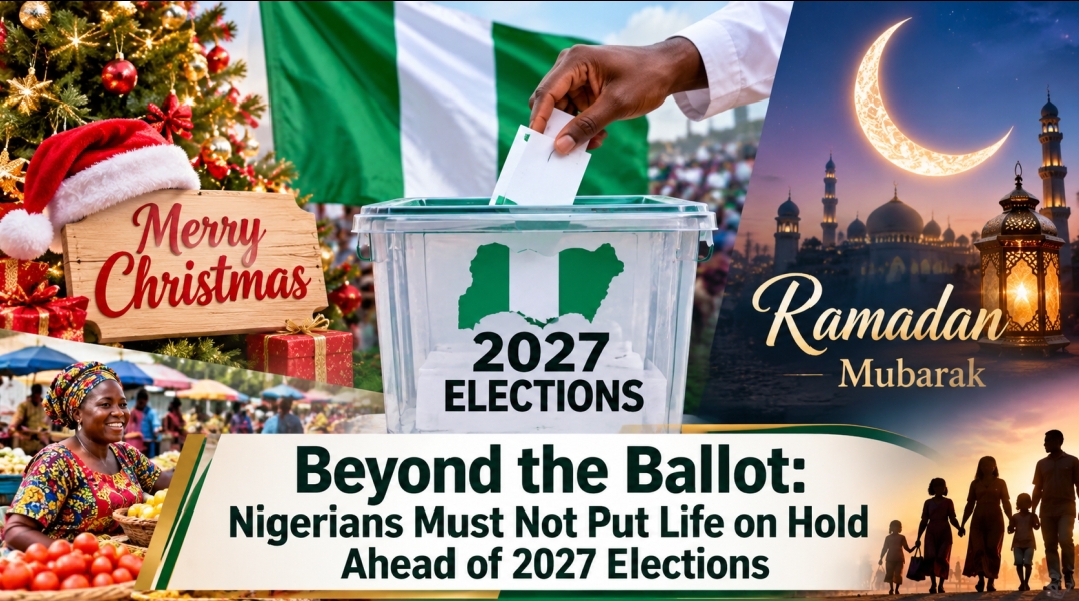
Nigeria is not just preparing for an election. The country is also approaching Christmas, the New Year, religious observances, cultural festivals and other significant occasions that require financial, social and personal preparations.
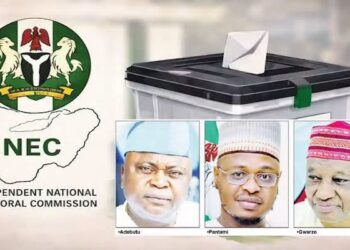
The presidential and National Assembly elections are scheduled for Saturday, January 16, 2027, while the governorship and State Houses of Assembly elections will take place on Saturday, February 6, 2027. These dates are already influencing political discussions across the country.
Yet, Christmas Day, December 25, 2026, is fast approaching. For millions of Christian families, Christmas is an important religious celebration that involves worship, family reunions, travelling, hospitality and charitable activities. It is also a major commercial period for traders, transport operators, hospitality businesses, food vendors and other entrepreneurs.
Ordinarily, preparations for Christmas would be generating considerable attention across markets, shopping centres, communities and households. Families would be making arrangements for food, clothing, travel and other festive necessities.
This year, however, the growing political atmosphere raises questions about whether some Nigerians are giving sufficient attention to these preparations or postponing important decisions while concentrating on the elections.
The situation deserves even greater consideration when viewed against the religious calendar.
Muslims across Nigeria will soon observe important Islamic occasions, including the Isra and Mi’raj and the middle of Sha’ban, before the anticipated commencement of Ramadan in February 2027. Ramadan is tentatively expected to begin around February 8, subject to the sighting of the moon.
This means that the holy month could commence just two days after the governorship and State Assembly elections.
For Muslim households, businesses, religious organisations and communities, Ramadan requires considerable preparation. Families need to plan their finances, food supplies, charitable activities, religious programmes and other responsibilities associated with the fasting period.
The proximity of Ramadan to the second election date makes advance planning particularly important. Nigerians should not wait until political activities have subsided before remembering that another significant period of religious devotion and social responsibility is approaching.
Beyond Christmas and Ramadan, Easter, Eid-el-Fitr, traditional festivals, weddings, family celebrations, school activities and other social engagements will also form part of the country’s calendar in 2027.
These events are not insignificant distractions from national politics. They are essential components of Nigerian society, culture, religion and economic life.
Indeed, the country’s informal economy depends heavily on seasonal activities and celebrations. Tailors, food vendors, market women, farmers, transport operators, event planners, artisans, hospitality businesses and countless small-scale entrepreneurs rely on these periods to generate income and support their families.
When attention becomes excessively concentrated on politics, there is a risk that ordinary economic and social planning will receive less consideration than it deserves.
Elections Are Important, But Life Must Continue
One of the dangers of an election-driven atmosphere is the tendency for citizens to postpone important personal and family decisions while waiting for political developments.
Some families may delay travelling, purchasing essential items or organising social events because of uncertainty surrounding election dates, movement restrictions and possible political tensions.
Business owners may also need to reconsider their operating schedules, supply arrangements, staffing and financial commitments around the election periods.
These concerns are legitimate, but they should not become reasons for abandoning proper planning.
Nigerians must understand that elections are important national exercises, not events that should bring every other aspect of society to a standstill.
Political parties and their candidates have their responsibilities, but citizens also have families to care for, businesses to manage, religious obligations to fulfil and social commitments to honour.
The responsibility for maintaining this balance does not rest solely with individuals. Government institutions, political parties, religious leaders, community organisations and the private sector must also recognise the importance of the overlapping calendar.
Political parties should conduct their activities responsibly and avoid creating unnecessary tension that could disrupt religious celebrations, commercial activities and community life.
Government agencies should provide timely information on election arrangements, security measures and any movement restrictions to enable citizens and businesses to plan accordingly.
Religious leaders should also encourage their congregations to prepare responsibly for forthcoming observances without allowing political disagreements to undermine peaceful coexistence.
Similarly, business owners and employers should begin reviewing their schedules, particularly where election-related arrangements may affect transportation, staffing, deliveries and commercial operations.
Nigerians Must Plan Beyond January and February
Another important consideration is the period immediately after the elections.
There is a tendency for political discussions to focus almost exclusively on election day, victory celebrations, possible disputes and the formation of new political administrations. However, national life does not end when votes are counted.
The months following the elections will bring other important religious, cultural, economic and social activities.
Eid-el-Fitr, Easter, Workers’ Day, Democracy Day, Eid-el-Kabir and numerous cultural celebrations will follow in the 2027 calendar.
Families, institutions and businesses must therefore develop plans that extend beyond the immediate election period.
This is particularly important at a time when Nigerians are already dealing with economic pressures and the rising cost of living. Responsible financial planning is essential. Households should avoid allowing election-related spending and political expectations to consume resources meant for food, education, healthcare, religious obligations and other important family needs.
Citizens should also resist the temptation to allow political loyalty to determine their relationships with neighbours, friends, colleagues and family members.
READ ALSO:Abba Reveals How Kwankwaso Initiated APC Return Deal with Tinubu
Democracy should provide an opportunity for citizens to exercise their constitutional rights, not a reason to suspend mutual respect, communal harmony and everyday responsibilities.
The Need for a Balanced National Outlook
The forthcoming elections deserve serious attention, participation and responsible engagement. Nigerians should register where necessary, collect their Permanent Voter Cards, verify their voting arrangements and prepare to exercise their democratic rights peacefully.
However, political consciousness must go hand in hand with social responsibility.
The fact that the country is approaching a major electoral season does not mean Christmas should receive less attention, Ramadan preparations should be postponed or businesses should abandon their usual seasonal plans.
READ ALSO:Makinde: Why Nigerians Should Choose Me Over Peter Obi in 2027
Nigeria belongs to all its citizens, not only politicians and political parties. Its national calendar must accommodate the interests of Christians, Muslims, traditional institutions, businesses, families, young people and the wider population.
The challenge before Nigerians is therefore not to choose between preparing for elections and preparing for other important occasions. It is to recognise that both responsibilities can and should be managed together.
As the country moves towards January 16 and February 6, 2027, citizens must remember that beyond the ballot boxes are families waiting to celebrate Christmas, Muslims preparing for Ramadan, businesses seeking opportunities, children looking forward to special occasions and communities determined to preserve their cultural identities.
READ ALSO:Tinubu Orders APC Leaders to Reconcile Ahead of 2027
The Merit Newspaper believes that Nigeria must prepare for its elections without putting the rest of national life on hold.
Elections will come and go, political offices will change hands, and political parties will celebrate victories or confront disappointments. But the responsibilities of family, faith, business, community development and national unity will remain.
Nigeria must therefore look beyond the ballot. Political participation is important, but so is living, planning, celebrating and building a society in which every other aspect of life continues to receive the attention it deserves.