The Merit Newspaper
  • News
  • Arts and Culture
  • Business
  • Court Stories
  • Crime and Security
  • Culture
  • Education
  • Entertainment
  • Environment
  • Events
  • Features
  • International News
  • Investigative Reporting
  • Lifestyle
  • National News
  • Opinion
  • Politics
  • Properties
  • Regional News
  • Science
  • Special Features
  • Sports
  • Technology
  • Travel
  • World
  • Editorial
  • About Us
  • Religion
  • Contact Us
  • Terms of Service
  • Privacy Policy
No Result
View All Result
  • News
  • Arts and Culture
  • Business
  • Court Stories
  • Crime and Security
  • Culture
  • Education
  • Entertainment
  • Environment
  • Events
  • Features
  • International News
  • Investigative Reporting
  • Lifestyle
  • National News
  • Opinion
  • Politics
  • Properties
  • Regional News
  • Science
  • Special Features
  • Sports
  • Technology
  • Travel
  • World
  • Editorial
  • About Us
  • Religion
  • Contact Us
  • Terms of Service
  • Privacy Policy
No Result
View All Result
No Result
View All Result
Home Opinion

The Global Politics of Social Media: Lessons from the U.S. and Nigeria

Ibrahim Kegbegbe by Ibrahim Kegbegbe
January 19, 2025
in Opinion
0
The Global Politics of Social Media: Lessons from the U.S. and Nigeria
0
SHARES
53
VIEWS
Share on FacebookShare on TwitterLinkedInTelegram

Social media platforms have become an integral part of our lives, shaping communication, commerce, and even global politics. However, their regulation, or lack thereof, often triggers intense debates about governance, sovereignty, and freedom of speech. Recent events in the United States and Nigeria offer a fascinating lens into how governments approach the complexities of social media regulation—and how their citizens react.

The U.S. and TikTok: A Bold Move or Overreach?

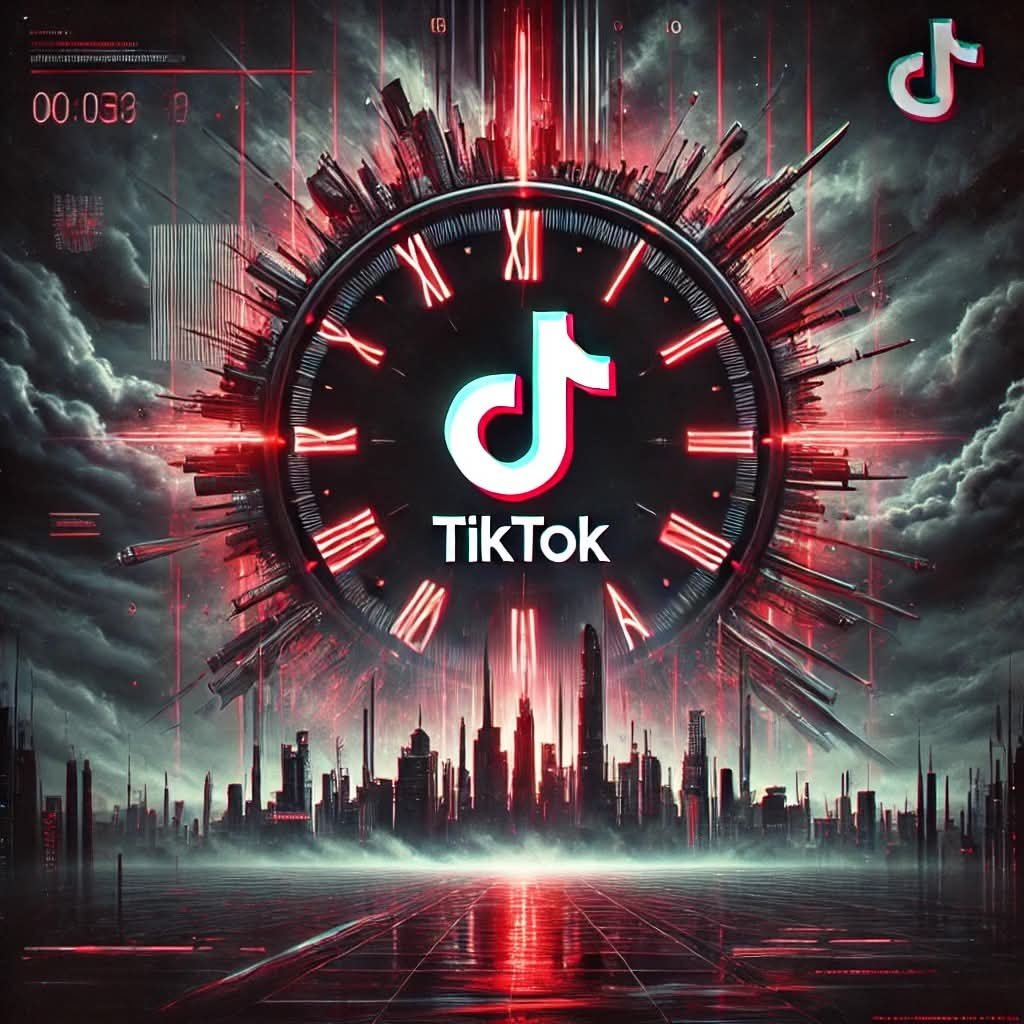
In a dramatic twist, the United States recently deactivated TikTok, the Chinese-owned social media giant, within its borders. The ban wasn’t just a symbolic gesture or a temporary suspension—it was so comprehensive that even attempts to bypass the ban through illegal means have reportedly proven futile. This decision has sparked outrage, with many Americans lamenting the loss of an app that had become a cultural phenomenon, especially among younger demographics.

The move was justified by U.S. authorities on grounds of national security, citing concerns over data collection and potential links to the Chinese government. But the irony is glaring: the United States, a country that prides itself on its staunch defense of free speech, has taken a step that appears to contradict one of its core principles. Critics have questioned whether this action reflects an overreach in government control or a legitimate response to geopolitical threats.

Nigeria’s Twitter Ban: A Different Reaction

A parallel can be drawn with Nigeria’s decision in 2021 to temporarily suspend Twitter’s operations. The Nigerian government demanded that the platform register as a corporate entity in the country and pay taxes, alongside meeting regulatory requirements. The announcement followed Twitter’s deletion of a controversial post by then-President Muhammadu Buhari.

The Nigerian government argued that its actions were aimed at asserting digital sovereignty and ensuring compliance with local laws. However, the public reaction was swift and furious. Nigerians, particularly the youth, took to various platforms to express their discontent, viewing the move as a clampdown on free speech. Unlike in the U.S., where the TikTok ban was met with frustration but limited public resistance, Nigerians interpreted the Twitter suspension as an attack on democratic values.

Freedom of Speech and Digital Sovereignty

The contrasting reactions highlight the complexities of regulating social media in different political and cultural contexts. In the U.S., the TikTok ban demonstrates how concerns over foreign influence and data security can override principles of free speech. Meanwhile, in Nigeria, the Twitter saga underscores the tension between government control and the public’s demand for accountability and transparency.

It’s worth noting that TikTok is a Chinese-owned company, and China has long maintained stringent control over foreign digital platforms within its borders. The U.S.’s move to ban TikTok can be seen as a strategic response to China’s dominance in the tech space, adding another layer to the ongoing geopolitical rivalry between the two nations.

For Nigeria, however, the issue was less about global geopolitics and more about governance. The Nigerian government’s demand for Twitter to pay taxes and register locally was a call for accountability, a sentiment that aligns with practices in many other countries. Yet, the public’s resistance reflects a deep-seated mistrust in government policies, fueled by years of perceived mismanagement and corruption.

The Way Forward

Both cases reveal the need for balanced regulation that respects freedom of speech while addressing legitimate concerns about security, sovereignty, and accountability. Governments must tread carefully to avoid actions that could be perceived as authoritarian or detrimental to democratic principles.

As digital platforms continue to evolve and influence society, the debate over their regulation will only grow more intense. Whether it’s the U.S. banning TikTok or Nigeria demanding compliance from Twitter, these events remind us that social media is no longer just a tool for communication—it’s a battleground for political, economic, and ideological control.

In navigating this complex terrain, governments and citizens alike must find common ground to ensure that the digital age remains a force for progress rather than division.
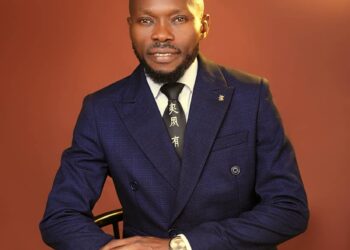
Ibrahim Kegbegbe

Ibrahim Kegbegbe

The Editor-in-Chief, Ibrahim Kegbegbe, is an international journalist with extensive reporting experience across Nigeria and other African countries, specialising in insightful coverage of entertainment, politics, education, religion, and business. He has also reported for The Nation Newspaper and Daily Trust during his SIWES and Industrial Training programmes, respectively, where his byline appeared on many stories. Gmail: ibrahimtaofeekkegbegbe@gmail.com Phone: 08024248696

Related Posts

ADC Demands INEC Delist David Mark, Gives Atiku Ultimatum
Opinion

ADC Demands INEC Delist David Mark, Gives Atiku Ultimatum

July 14, 2026
Brazil Start Strong Despite Morocco Stalemate
Opinion

Brazil Start Strong Despite Morocco Stalemate

June 16, 2026
Why Dagrin’s Pon Pon Pon Beat Still Matters
Opinion

Why Dagrin’s Pon Pon Pon Beat Still Matters

May 29, 2026
Next Post
Living with the End in Mind: How the Bible Uses Death to Teach Life’s Greatest Lessons

Living with the End in Mind: How the Bible Uses Death to Teach Life’s Greatest Lessons

The Global Politics of Social Media: Lessons from the U.S. and Nigeria

TikTok Back in Action, but New Downloads Still Blocked in U.S.

Sanwo-Olu Expresses Sadness Over Niger State Tanker Explosion

Sanwo-Olu Expresses Sadness Over Niger State Tanker Explosion

Leave a Reply Cancel reply

Your email address will not be published. Required fields are marked *

Highlights

Lucky No. 8! Oshoala Fires Nigeria Past Zambia at WAFCON

Makinde Inaugurates APM Apex Campaign Council for 2027 Elections

Charles Okocha Defeats Portable in Celebrity Boxing Rematch

Tinubu: Nigeria on Path to Stability, Prosperity

Tyla Brings ‘A POP World Tour’ to Lagos

30 Killed in Fresh Kaduna Village Attack

Trending

Harcher Lights Up London at Outernet Show
Entertainment

Harcher Lights Up London at Outernet Show

by Ibrahim Kegbegbe
August 10, 2026
0

By Ibrahim Kegbegbe Fast-rising Nigerian Afrobeats artiste and Bullion Records star, Abdul Rahman Yusuf, popularly known as...

Harcher, Zlatan Thrill Birmingham Crowd at UK Tour

Harcher, Zlatan Thrill Birmingham Crowd at UK Tour

August 8, 2026
Peter Obi Donates Another ₦10m to Ibadan Nursing College

Peter Obi Donates Another ₦10m to Ibadan Nursing College

August 7, 2026
Lucky No. 8! Oshoala Fires Nigeria Past Zambia at WAFCON

Lucky No. 8! Oshoala Fires Nigeria Past Zambia at WAFCON

August 2, 2026
Makinde Inaugurates APM Apex Campaign Council for 2027 Elections

Makinde Inaugurates APM Apex Campaign Council for 2027 Elections

August 1, 2026
  • News
  • Arts and Culture
  • Business
  • Court Stories
  • Crime and Security
  • Culture
  • Education
  • Entertainment
  • Environment
  • Events
  • Features
  • International News
  • Investigative Reporting
  • Lifestyle
  • National News
  • Opinion
  • Politics
  • Properties
  • Regional News
  • Science
  • Special Features
  • Sports
  • Technology
  • Travel
  • World
  • Editorial
  • About Us
  • Religion
  • Contact Us
  • Terms of Service
  • Privacy Policy

© 2026 The Merit Newspaper

No Result
View All Result
  • News
  • Arts and Culture
  • Business
  • Court Stories
  • Crime and Security
  • Culture
  • Education
  • Entertainment
  • Environment
  • Events
  • Features
  • International News
  • Investigative Reporting
  • Lifestyle
  • National News
  • Opinion
  • Politics
  • Properties
  • Regional News
  • Science
  • Special Features
  • Sports
  • Technology
  • Travel
  • World
  • Editorial
  • About Us
  • Religion
  • Contact Us
  • Terms of Service
  • Privacy Policy

© 2026 The Merit Newspaper