By Ibrahim Kegbegbe
FCT, Abuja -November 5, 2026
The Independent National Electoral Commission (INEC) has sought the support of the United Nations (UN) and the United Kingdom (UK) to tackle foreign-driven disinformation, artificial intelligence (AI)-generated manipulation and hate speech ahead of Nigeria’s 2027 general elections.

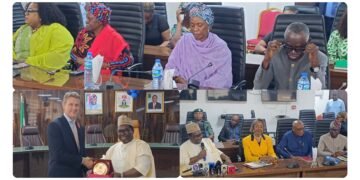
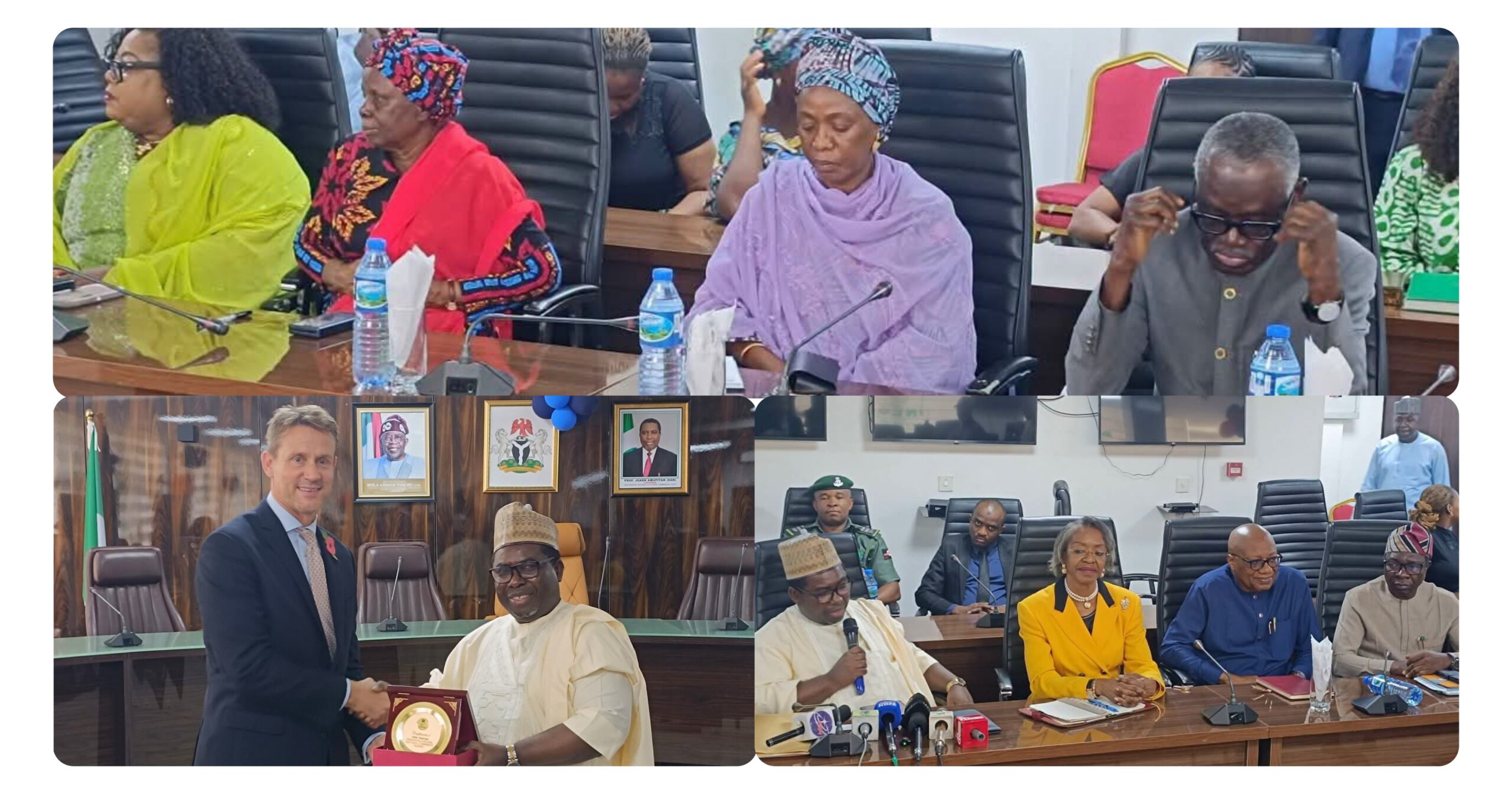
INEC Chairman, Professor Joash Amupitan, made the appeal on Wednesday during separate meetings with the UN Special Representative for West Africa and the Sahel, Leonardo Santos Simão, and the British High Commissioner to Nigeria, Pete Vowles, at the commission’s headquarters in Abuja.
READ ALSO:Tinubu Returns to Abuja After Saudi Arabia Visit
Amupitan described foreign information manipulation and interference as growing threats to Nigeria’s electoral process and the wider West African sub-region, noting that the commission’s recent research had revealed an increasing trend of foreign-driven disinformation in the region.
He called for stronger international partnerships to establish rapid-response mechanisms, strengthen public awareness and improve the capacity of relevant institutions to identify, monitor and counter AI-generated false information capable of undermining electoral credibility.
The INEC chairman disclosed that the commission was already conducting local and zonal engagements, including consultations with traditional rulers, to educate electoral officials and members of the public on misinformation, disinformation, information verification and the possible misuse of artificial intelligence.
READ ALSO:Makinde Unveils Reset Nigeria Manifesto, Promises Major Reforms
He also revealed that INEC was deploying its Election Risk Management (ERM) tool in collaboration with security agencies to identify vulnerable areas and strengthen preparations for the forthcoming elections.
Providing an update on the commission’s preparations, Amupitan said INEC had moved from strategic planning to full-scale implementation, disclosing that nine of the 14 key activities in the revised electoral timetable had been completed.
He stated that the first phase of the 2027 general elections, covering the presidential and National Assembly elections, would hold on January 16, 2027, while the National Register of Voters had increased to more than 103 million.
According to him, the voter register was currently on display for claims and objections, with the final register scheduled for publication on December 15, 2026.
Amupitan further disclosed that the commission was distributing Permanent Voter Cards (PVCs) across the 774 local government areas, with collection points decentralised to ward level to make the process more accessible to eligible voters.
On candidate nominations, he said INEC’s portal had processed submissions from 21 of the 22 registered political parties.
The submissions included 36 presidential and vice-presidential candidates from 18 political parties, 4,860 National Assembly candidates, 936 governorship and deputy governorship candidates, as well as 9,692 State House of Assembly candidates.
The commission is also making arrangements for the procurement of ballot boxes and voting cubicles for 176,846 polling units nationwide, alongside measures to facilitate the clearance of election materials through the Nigeria Customs Service and other relevant port authorities.
READ ALSO:Nigeria Beat Brazil 3–1 to Reach U-17 World Cup Final
The INEC chairman appealed for international assistance to expand the commission’s planned mock accreditation and election exercise, expressing concern that budgetary constraints could affect the effectiveness of the practical test.
Responding, the UN Special Representative for West Africa and the Sahel, Leonardo Santos Simão, assured INEC of the organisation’s support, acknowledging the enormous responsibility facing the commission in conducting the elections.
Simão warned against allowing elections to become another source of violence, particularly in view of Nigeria’s prevailing security challenges.
He disclosed that the United Nations Office for West Africa and the Sahel (UNOWAS) had engaged political parties, candidates and government institutions as part of efforts to promote peaceful electoral preparations.
The UN envoy, however, clarified that the organisation would maintain a presence during the elections but would not undertake election observation, as it did not have the mandate to perform that responsibility.
He explained that the UN’s involvement would instead focus on encouraging positive conduct and supporting efforts towards a peaceful electoral process.
Similarly, the British High Commissioner to Nigeria, Pete Vowles, reaffirmed the United Kingdom’s commitment to supporting Nigeria’s democratic development.
He described the 2027 general elections as an important opportunity for Nigeria to demonstrate how a strong democracy could function successfully in a large and diverse country.
Vowles said credible elections in Nigeria would be significant not only for its citizens but also for West Africa and the international community.
In outlining areas of cooperation, Amupitan identified cybersecurity, specialised training for election officials and voter education, particularly for marginalised groups, as areas where additional British support would be valuable.
He described the United Kingdom as one of INEC’s most consistent international partners and expressed confidence that stronger cooperation would improve the commission’s preparedness for the elections.
The Merit Newspaper reports that the INEC chairman assured both international delegations that the commission remained committed to conducting credible, transparent and peaceful elections, stressing that its independence and impartiality would be maintained throughout the electoral process.