
By Ibrahim Kegbegbe
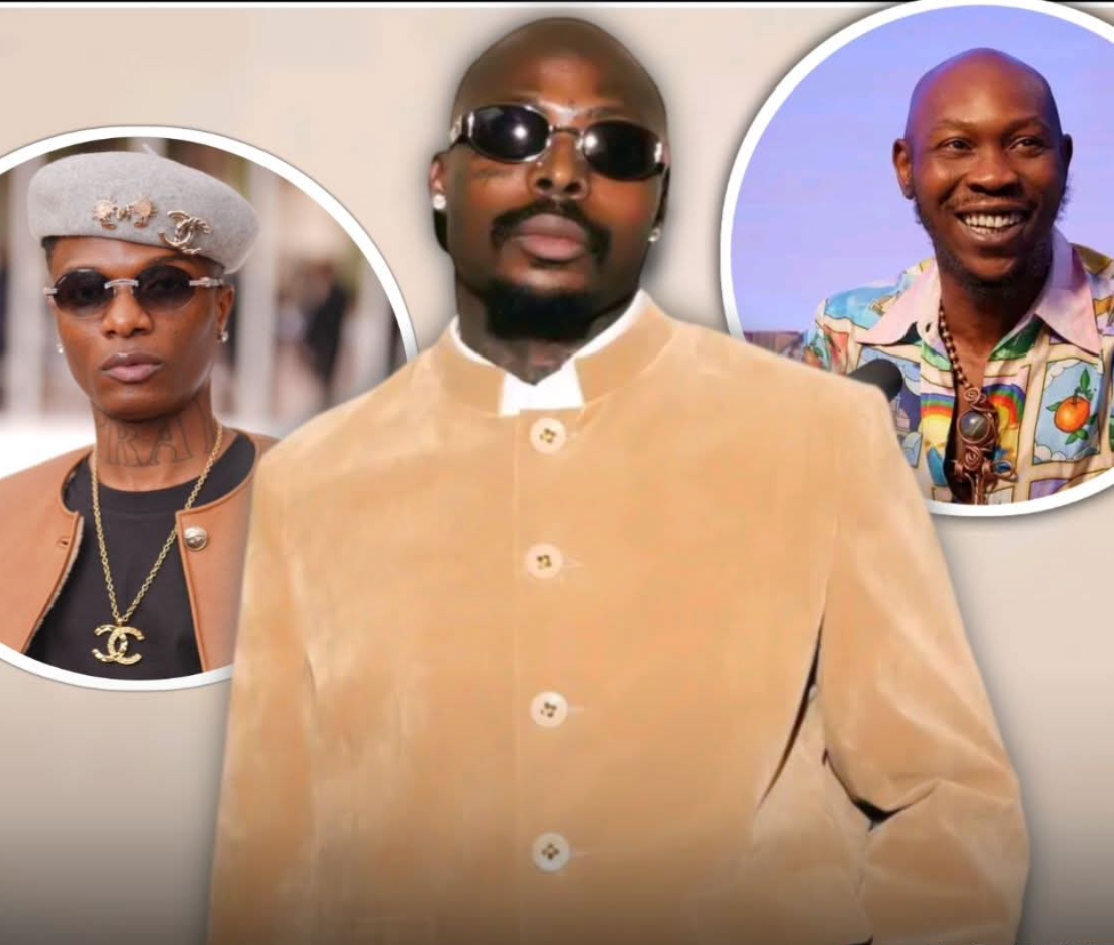
Africa — Nigerian music star Asake has publicly declared unwavering loyalty to Wizkid, shutting down suggestions—allegedly credited to Afrobeat musician and activist Seun Kuti—that he should reconsider his professional relationship with the Grammy-winning singer.

In a statement that has since ignited debate across social media, Asake made his position clear: his alliance with Wizkid is non-negotiable.
“I am solidly on Wizkid’s side, and I’ll ride with him till the wheels fall off,” Asake said, stressing that no external advice would force him to sever ties with the global Afrobeats icon.
The declaration comes against the backdrop of a prolonged and highly publicized online feud between Wizkid and Seun Kuti—a clash that has dragged on for over a month and divided fans, musicians, and cultural commentators across Nigeria and the diaspora.
Loyalty Over Pressure
Asake, whose meteoric rise from street anthems to international stages has been closely associated with Wizkid’s support and co-sign, dismissed insinuations that he was being “influenced” or “controlled” by industry politics. According to the singer, his relationship with Wizkid is rooted in mutual respect rather than obligation.
He further clarified that if their paths ever diverge, it would not be the result of public pressure or ideological differences stirred online.
“If we ever part ways, it will be peaceful and on good terms,” he added, a statement many interpret as a subtle rejection of the confrontational tone surrounding the Wizkid–Seun Kuti exchange.
A Clash of Ideologies
The Wizkid–Seun Kuti feud has gone beyond personal disagreements, evolving into a broader cultural debate. While Wizkid represents the new-generation Afrobeats movement that prioritizes global reach, lifestyle branding, and commercial success, Seun Kuti—son of Afrobeat pioneer Fela Anikulapo-Kuti—has remained a vocal critic of what he sees as the political silence of mainstream Nigerian pop stars.
Seun Kuti has repeatedly argued that influential artists have a moral duty to confront systemic injustice, a stance that has earned him admiration from activists and criticism from fans who believe music should not be burdened with ideological expectations.
Asake’s intervention, therefore, is not merely about loyalty—it reopens the long-standing argument about whether Nigerian musicians owe the public activism or simply art.
Industry Reactions
Reactions to Asake’s comments have been sharply divided. Supporters praise him for standing firm and refusing to be drawn into ideological battles that could derail his career. Critics, however, accuse him of choosing commercial comfort over social responsibility.
Music analysts note that Asake’s decision may strengthen his bond with Wizkid’s camp while simultaneously distancing him from a segment of socially conscious audiences aligned with Seun Kuti’s worldview.
Beyond the Noise
For now, Asake appears unfazed by the backlash. His stance reinforces a growing sentiment among younger Nigerian artists: loyalty, career growth, and creative freedom take precedence over public pressure and ideological alignment.
READ ALSO:Ipokia Oil Project: Former NNPP Chieftain Atele Warns Against Relocation
Whether this moment marks a turning point in Nigeria’s ongoing debate about music, activism, and influence remains to be seen. But one thing is clear—Asake has chosen his side, and he is not looking back.