By Ibrahim Kegbegbe
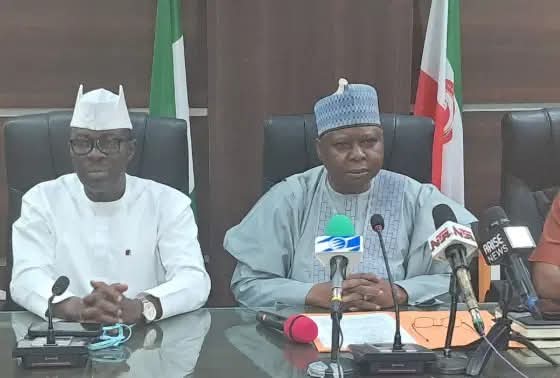
ABUJA — Nigeria’s main opposition party, the Peoples Democratic Party (PDP), has moved to stabilise its leadership structure ahead of the 2027 general elections, appointing a 13-member Interim National Working Committee (NWC) to steer its affairs in the aftermath of a disruptive court ruling.

The decision was taken at the party’s 103rd National Executive Committee (NEC) meeting held in Abuja, where top stakeholders endorsed the recommendation of the Board of Trustees to constitute a caretaker leadership following last week’s Supreme Court of Nigeria judgment that effectively left the party without a recognised national leadership.
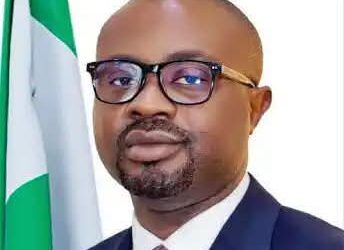
At the centre of the new arrangement is former minister, Kabiru Tanimu Turaki, who will serve as Chairman of the interim body, with Oyo State deputy governor, Taofeek Arapaja, appointed as Secretary.
Party insiders say the move is aimed at preventing a leadership vacuum at a critical moment when political realignments and early campaign calculations are already shaping the 2027 race.
“The NEC acted swiftly and unanimously to protect the integrity and continuity of the party,” a senior PDP official said shortly after the meeting. “This is about preserving structure, unity, and readiness.”
Race Against Time for 2027
Beyond leadership reconstitution, the PDP also unveiled an ambitious and tightly packed timetable for its pre-election activities—signalling an early start to internal contests.
According to the approved schedule, the sale of Expression of Interest and nomination forms will run from May 5 to May 13, 2026, with screening of aspirants slated for May 15–18. Ward primaries across all elective positions are fixed for May 27, while the party’s special convention to ratify candidates will be held on May 30.
The Merit Newspaper reports that the compressed timeline suggests a strategic push to resolve internal contests quickly and avoid prolonged disputes that have historically weakened party cohesion.
High Stakes, High Costs
The party also released the cost of nomination forms, underscoring the financial stakes involved in the race for public office.
Presidential hopefuls will pay ₦100 million in total—₦10 million for Expression of Interest and ₦90 million for nomination—while governorship aspirants are expected to part with ₦40 million.
For legislative positions, House of Representatives forms are pegged at ₦7 million, Senate at ₦10 million, and State Assembly at ₦2 million.
READ ALSO:Tinubu Silent as Elliott Faces APC Primary Showdown
However, in a move seen as an attempt to encourage inclusivity, the PDP announced waivers and concessions: women aspirants will only pay for Expression of Interest forms, while youths and persons living with disabilities will receive a 50 per cent discount on nomination fees.
Balancing Crisis and Opportunity
The NEC’s actions come at a delicate time for the PDP, which has been grappling with internal divisions, legal battles, and defections in recent years. Political analysts say the success of the interim leadership will depend on its ability to unify factions and conduct credible primaries.
“The real test is not just setting up a caretaker committee,” a political analyst in Abuja noted. “It’s whether the process that follows inspires confidence among party members and the electorate.”
READ ALSO:ADC Schedules May 24 Presidential Primary Amid Dispute
With the clock ticking toward 2027, the PDP’s latest moves indicate a party attempting to turn crisis into opportunity—resetting its structure while laying the groundwork for what could be one of Nigeria’s most competitive electoral cycles in recent history.
For now, all eyes are on the Turaki-led committee as it begins the delicate task of rebuilding trust, managing ambitions, and positioning the PDP as a formidable contender on the national stage.