
By Ibrahim Kegbegbe
Nigeria’s 3–2 victory over Tunisia at the Africa Cup of Nations on Saturday was more than a football result. It was a statement—of resilience, belief, and the danger of speaking a nation down in moments that demand collective confidence.
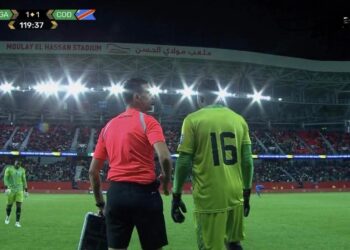
The Super Eagles put on an impressive attacking display, racing into a 3–0 lead through goals from Victor Osimhen (44’), captain Wilfred Ndidi (50’), and Ademola Lookman (67’). Yet what should have been a comfortable evening turned tense when Tunisia clawed back two goals in less than 30 minutes, forcing Nigeria to hang on for a narrow win that secured qualification to the round of 16.

Beyond the pitch, however, another contest was playing out—one of narratives and predictions.
Since the start of the 2025 AFCON, a number of African pastors have taken to pulpits and social media to issue bleak prophecies about Nigeria’s campaign. Before Nigeria’s opening match against Tanzania, a Nigerian pastor publicly declared that Ademola Lookman would not score. Lookman did—promptly puncturing the prophecy. Ahead of Saturday’s clash, some went further, predicting outright defeat for Nigeria against Tunisia. Again, the prediction fell flat.
This is not an argument against faith, prayer, or spiritual leadership. Africa is deeply religious, and sports have always been intertwined with belief. Players pray, fans pray, and nations hope. The concern arises when negative predictions are loudly broadcast, stripped of responsibility, patriotism, or any regard for their psychological impact.
As journalists, we also predict. We analyse form, tactics, injuries, and history. But there is a crucial difference: journalism is anchored in facts and accountability. Predictions in journalism are framed by evidence and balanced by national interest. When a journalist gets it wrong, the record remains. When a pastor’s prophecy fails, it is often quietly forgotten—until the next one is issued with even greater certainty.
Words matter. In a country like Nigeria, where football is more than a game—where it is a unifying force amid economic hardship, insecurity, and political tension—negative predictions can dampen national morale. They shape conversations, influence emotions, and in subtle ways, affect players who are not immune to the noise around them.
Saturday’s match offered a worrying glimpse of this. Nigeria’s early dominance suggested confidence and freedom. But as Tunisia scored twice and pressure mounted, one could not ignore how fragile momentum can be—how quickly belief can waver. Footballers are professionals, yes, but they are also human beings carrying the weight of millions of expectations and, increasingly, millions of pronouncements.
There is also a broader national context that should give pause to anyone eager to proclaim doom. On Christmas Day 2025, the United States carried out a strike on ISIS-linked targets in Sokoto. Regardless of one’s views on foreign military actions, the incident was a stark reminder that Nigeria faces enough real challenges—security threats, economic strain, social divisions—without adding self-inflicted psychological battles through relentless negativity.
At such times, national institutions, leaders, and influencers—religious or otherwise—should be careful about the energy they project. Criticism is healthy. Analysis is necessary. But consistently predicting failure, especially in symbolic arenas like sports, risks normalising despair.
This is not a call for blind optimism or propaganda. The Super Eagles, like every Nigerian team, have flaws that deserve honest scrutiny. Coaches make mistakes. Players underperform. These realities must be discussed. But there is a difference between constructive critique and performative pessimism dressed as prophecy.
READ ALSO:MPAC Condemns U.S. Strike on Alleged ISIL Targets in Sokoto
Nigeria’s win over Tunisia should remind us of something simple: belief can coexist with realism. Patriotism does not mean denying problems; it means refusing to celebrate their inevitability.
As the AFCON progresses, the Super Eagles will face tougher opponents and sterner tests. They may win. They may lose. That is football. But as a nation, we must decide what role our words play in that journey—whether they strengthen collective resolve or quietly undermine it.
READ ALSO:Arewa Community Donates ₦20m to Abiodun, Backs Ogun East Senate Ambition
Perhaps it is time to choose responsibility over sensational prophecy, and patriotism over pessimism. Nigeria, on and off the pitch, needs less prediction of failure and more commitment to possibility.