
By Ibrahim Kegbegbe
Lagos, Nigeria —
By 6 a.m., the queue has already formed at a popular roadside food joint in Lagos. Not because breakfast is being served, but because customers are hoping to secure a cheap meal that might last them the entire day.

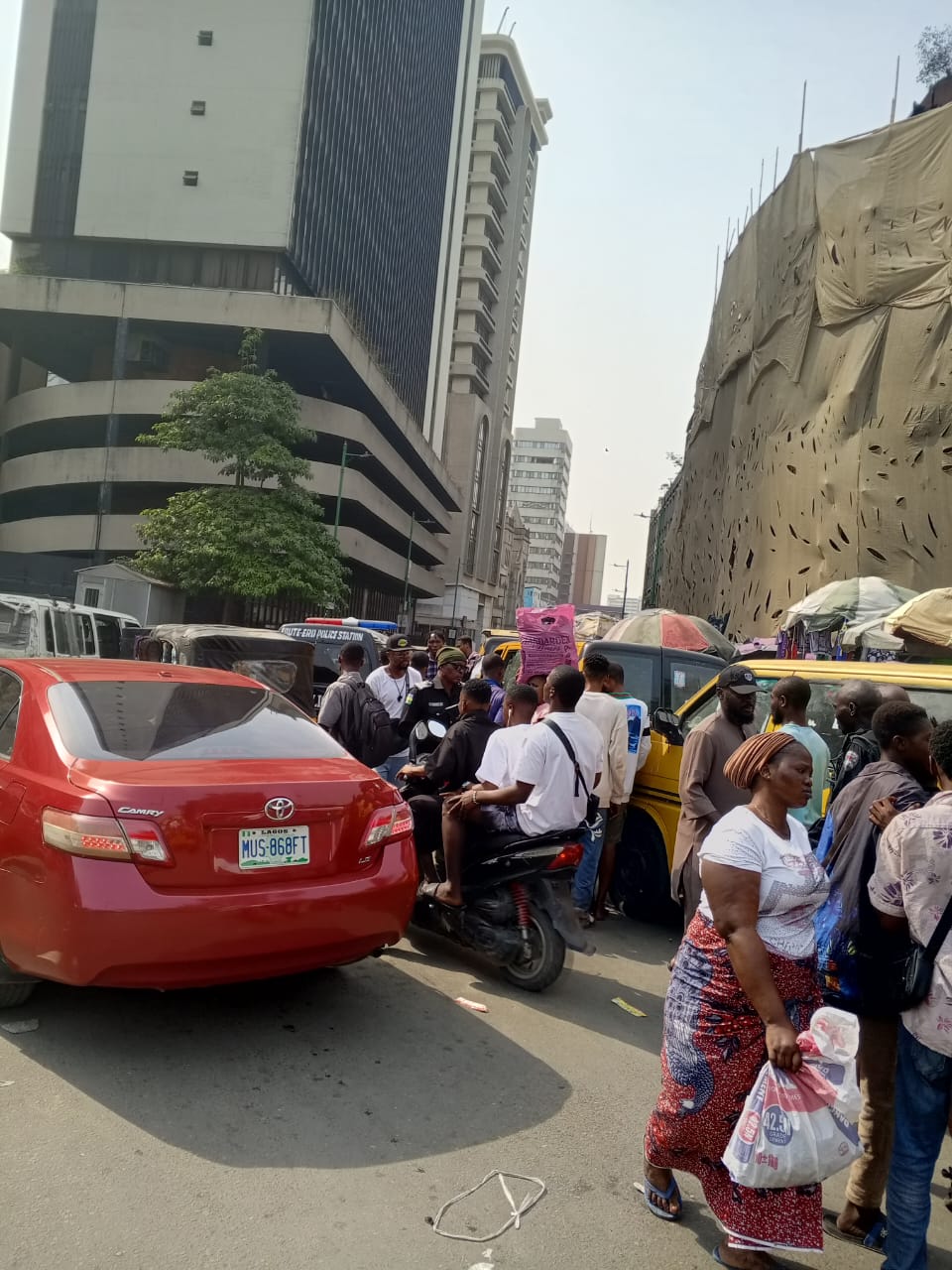
“I used to eat three times a day,” said Mrs. Niniola Adeyemo, a petty trader in Tinubu Square, Broad Street, Lagos Island. “Now, once is enough—if I’m lucky.”
Across Nigeria, stories like Adeyemo’s are becoming disturbingly common as millions of citizens adjust to a harsh economic reality marked by rising food prices, transport costs, rent hikes, and shrinking incomes.
From Survival to Sacrifice
The removal of fuel subsidy, fluctuations in the foreign exchange market, and soaring inflation have combined to push basic necessities beyond the reach of many households.
A recent market survey, by The Merit Newspaper correspondents, shows that a bag of rice that sold for about ₦30,000 two years ago now goes for over ₦52,000 in some cities. A loaf of bread that once cost ₦300 now sells for as much as ₦1,200, depending on location.
“I no longer buy meat,” said Nasir Lawal, a commercial driver in Ibadan. “If there is money, it’s egg. If not, we manage soup and garri.”
Youth, Jobs, and Broken Expectations
For young Nigerians, the hardship feels even more personal.
Deborah Samuel, a university graduate who completed NYSC last year, said she has applied for over 40 jobs without success.
“My parents are struggling, and I am supposed to help them, not depend on them,” she said. “Sometimes I feel like the system has failed us.”
With unemployment and underemployment rising, many youths are turning to informal jobs, online hustles, or considering migration—popularly known as “japa”—as a last resort.
Government Response and Public Frustration
The Merit Newspaper reports that the Federal Government has repeatedly assured Nigerians that the economic pain is temporary and that ongoing reforms will eventually yield positive results.
Officials argue that subsidy removal was necessary to free resources for infrastructure, education, and healthcare. However, many Nigerians say relief has been slow in coming.
“We hear promises every day,” said Mr. Emmanuel Okoro, a civil servant in Abuja. “But promises don’t feed families.”
READ ALSO:AFCON Quarter-Final: Can Nigeria Break Zidane?
A Nation Tightening Its Belt
Religious centres, community leaders, and non-governmental organisations are reporting an increase in requests for food assistance and financial help.
In some homes, children are being withdrawn from private schools. In others, medical care is postponed unless emergencies arise.
Economists warn that prolonged hardship could deepen inequality and social tension if urgent interventions are not implemented.
Between Hope and Hunger
Despite the challenges, many Nigerians remain hopeful that the situation will improve.
“We are resilient people,” Omotunde said, adjusting her tray of goods by the roadside. “But resilience should not be mistaken for silence.”
READ ALSO:NADECO USA Urges Tinubu to Sack Wike Over Rivers Political Crisis
As the nation waits for economic relief, one thing is clear: for millions of Nigerians, survival has become a daily calculation—and hunger is no longer a distant fear, but a constant companion.