

By Ibrahim Kegbegbe
Lagos, Nigeria —
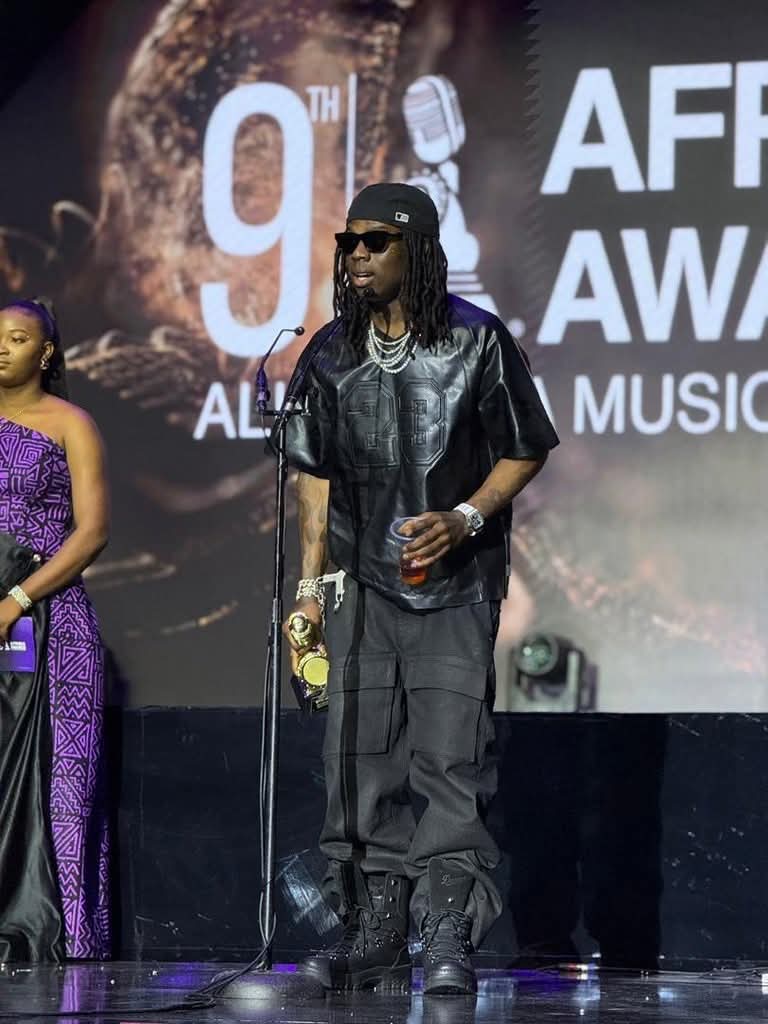
Lagos once again affirmed its status as the beating heart of African music on Sunday night as Nigerian superstars dominated the 9th All Africa Music Awards (AFRIMA 2026), turning the Eko Hotels and Suites Convention Centre into a carnival of sound, glamour and continental pride.
From Afrobeats to R&B, hip-hop to film soundtracks, Nigeria’s music heavyweights walked away with the lion’s share of Africa’s most prestigious music honours, with Rema emerging as the undisputed star of the night, collecting three major awards in front of a packed hall of African music royalty.

The 24-year-old global sensation clinched Artiste of the Year, Best Male Artiste in Western Africa, and Best African Artiste in R&B and Soul for his chart-topping hit Calm Down, a record that has enjoyed extraordinary success across Africa, Europe and the United States. In doing so, Rema edged past fellow Nigerian icons Burna Boy, Davido, Wizkid and Asake, confirming his place at the forefront of Africa’s new musical generation.
Visibly emotional as he received his final award of the night, Rema paid tribute to the people behind his journey.
“I want to thank my team and my fans — without you I won’t be here. You have all seen me grow since I was 19 when I dropped Dumebi. Now I am 25… I don dey old o,” he said, drawing cheers and laughter from the audience.
Burna Boy, Shallipopi, Qing Madi shine
If Rema was the king of the night, Burna Boy was close behind. Africa’s most internationally decorated artist won Album of the Year for No Sign of Weakness, a project widely praised for blending Afro-fusion with socially conscious storytelling. Burna Boy also shared Best African Collaboration with rising street-pop star Shallipopi for their smash hit Laho, which equally clinched Song of the Year.
The awards also spotlighted the power of Nigeria’s emerging generation. Qing Madi was crowned Most Promising Artiste of the Year, while Chella won African Fans’ Favourite, reflecting massive grassroots support across the continent.
Veteran rapper Phyno added to Nigeria’s dominance by winning Best African Hip-Hop Artiste, reaffirming his influence more than a decade after reshaping indigenous rap in Nigeria.
READ ALSO:Why the Super Eagles Must Win This AFCON
AFRIMA: Africa’s biggest music stage
Founded in 2014, AFRIMA has grown into Africa’s most comprehensive music awards platform, representing all 54 African countries through a transparent adjudication process involving music experts, industry professionals and public voting. The awards are supported by the African Union and have become a major cultural export, celebrating not just music but African identity, creativity and global impact.
This year’s edition marked Lagos’ third time hosting AFRIMA, after previous ceremonies in Ghana and Senegal, reinforcing Nigeria’s place as Africa’s entertainment capital.
READ ALSO:Ajadi Celebrates Father-in-Law, Prophet Oguntade, on His Birthday
Beyond the trophies, AFRIMA 2026 featured dazzling live performances, cultural showcases and industry networking that brought together artistes, producers, promoters and policymakers from across Africa.
Continental winners reflect Africa’s diversity
While Nigerian artistes dominated many categories, the night also celebrated excellence across Africa. Wendy Shay of Ghana won Best Female Artiste in Western Africa, Nontokozo Mkhize of South Africa took Best Female Artiste in Southern Africa, while Juma Jux of Tanzania emerged Best Male Artiste in Eastern Africa.
Other winners included Sherine of Egypt, Yo Maps of Zambia, and Singuila of Congo, reinforcing AFRIMA’s mission of uniting Africa through music.
Africa’s sound, Africa’s moment
With Afrobeats now one of the fastest-growing music genres in the world and African artists selling out arenas from London to Los Angeles, AFRIMA 2026 was more than an awards ceremony — it was a declaration that Africa’s music is no longer knocking on the world’s door; it has walked right in.
READ ALSO:Why Nigeria’s Entertainment Industry Must Intervene in Portable’s Crisis
And on a night when Lagos glittered with continental pride, Nigeria once again proved why it remains the engine room of Africa’s global sound.