By Ibrahim Kegbegbe
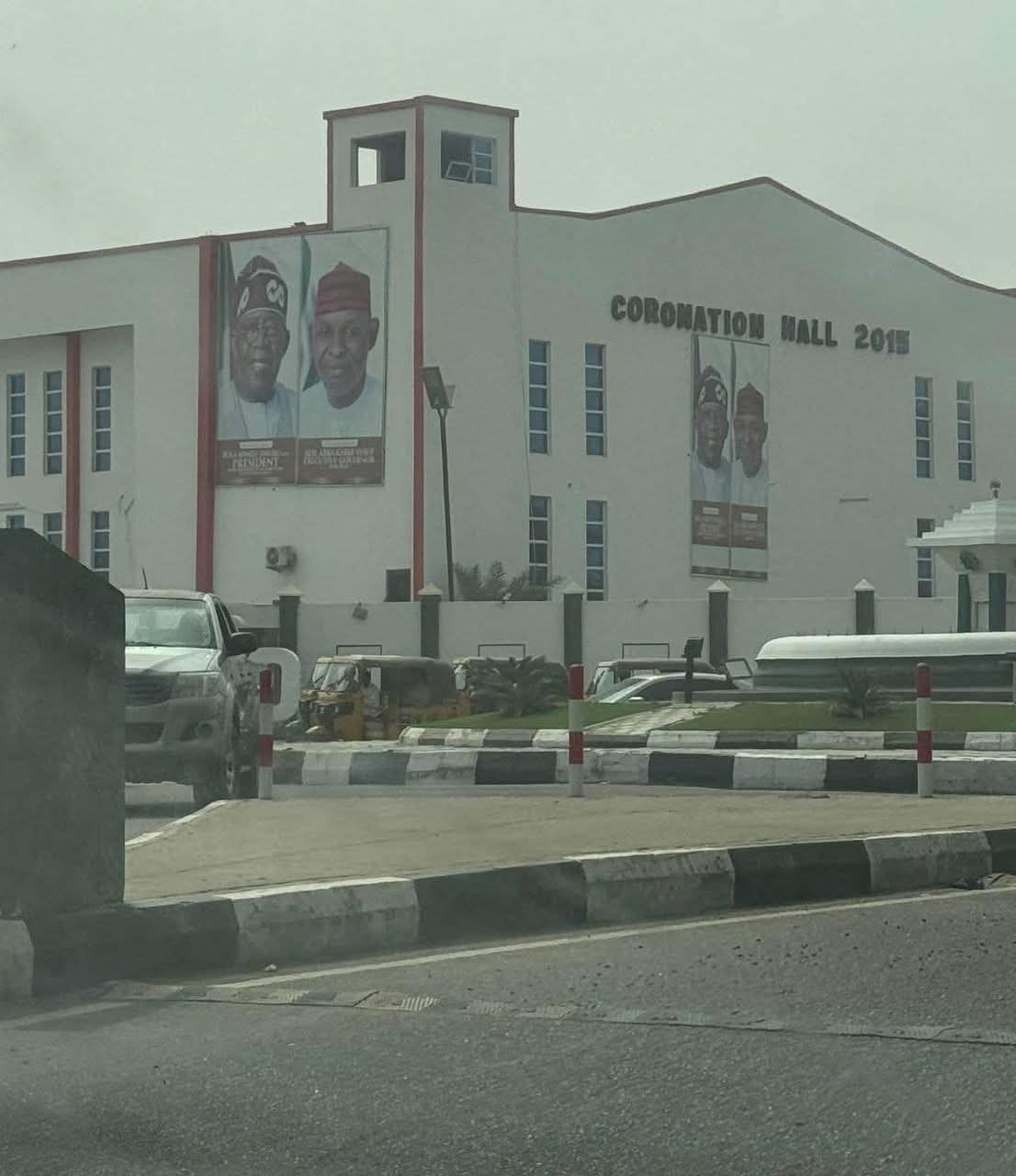
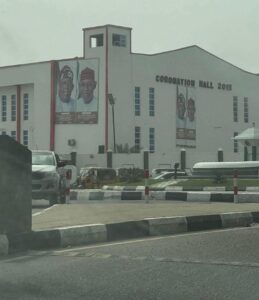
The sudden dominance of billboards bearing the images of President Bola Ahmed Tinubu and Kano State Governor, Abba Kabir Yusuf, across major cities in Kano is more than a coincidence of political branding. It is a loud, calculated statement in Nigeria’s ever-evolving politics of power, perception and positioning ahead of 2027.

From major highways to inner-city junctions, the towering images send a clear message: Kano, Nigeria’s most politically influential northern state, is already being courted—not subtly, but aggressively. Billboards, after all, are not just about visibility; they are about psychological presence. They remind citizens daily of who holds power, who seeks relevance, and who wants to shape the political conversation long before the first campaign rally is held.
What makes the situation particularly controversial is the unusual pairing. Governor Abba Kabir Yusuf rode to power on the platform of the New Nigeria Peoples Party (NNPP), largely propelled by the political machinery of Senator Rabiu Musa Kwankwaso, a known critic of the ruling All Progressives Congress (APC) led by President Tinubu. Yet, the visual harmony of their billboards across Kano raises questions that politics cannot ignore: Is Kano witnessing a silent realignment, a strategic truce, or merely a game of political optics?
Supporters may argue that the billboards reflect governance cooperation and national unity—symbols of federal–state collaboration in a time of economic hardship. Critics, however, see something deeper and more troubling: the early commercialization of the 2027 elections at a time when citizens are grappling with inflation, unemployment, and insecurity. In a state where many struggle to afford basic necessities, the cost and timing of these billboards provoke moral and political debate.
More importantly, Kano’s streets have become a battleground of narratives. Billboards are replacing policy debates; images are speaking louder than performance metrics. The danger is clear: when politics becomes more about visibility than accountability, democracy suffers.
The dominance of these billboards should therefore concern not only political opponents but ordinary citizens. Kano has historically shaped national electoral outcomes. What happens politically in Kano rarely stays in Kano. The billboards are signals—signals to party leaders, power brokers, and voters—that the battle for the soul of the North has quietly begun.
As Nigerians admire or criticize these towering images, one question remains unavoidable: will the coming years be driven by real governance and people-centered policies, or by oversized billboards masking undersized solutions?
READ ALSO:Atiku’s Son Defects to APC, Father Reacts
The answer, as always, will not be found on the billboards—but in the lived realities of the people beneath them.