The Merit Newspaper
  • News
  • Arts and Culture
  • Business
  • Court Stories
  • Crime and Security
  • Culture
  • Education
  • Entertainment
  • Environment
  • Events
  • Features
  • International News
  • Investigative Reporting
  • Lifestyle
  • National News
  • Opinion
  • Politics
  • Properties
  • Regional News
  • Science
  • Special Features
  • Sports
  • Technology
  • Travel
  • World
  • Editorial
  • About Us
  • Religion
  • Contact Us
  • Terms of Service
  • Privacy Policy
No Result
View All Result
  • News
  • Arts and Culture
  • Business
  • Court Stories
  • Crime and Security
  • Culture
  • Education
  • Entertainment
  • Environment
  • Events
  • Features
  • International News
  • Investigative Reporting
  • Lifestyle
  • National News
  • Opinion
  • Politics
  • Properties
  • Regional News
  • Science
  • Special Features
  • Sports
  • Technology
  • Travel
  • World
  • Editorial
  • About Us
  • Religion
  • Contact Us
  • Terms of Service
  • Privacy Policy
No Result
View All Result
No Result
View All Result
Home Editorial

Nigeria Is Not Broke, Nigerians Are

Ibrahim Kegbegbe by Ibrahim Kegbegbe
January 16, 2026
in Editorial
0
Nigeria Is Not Broke, Nigerians Are
0
SHARES
35
VIEWS
Share on FacebookShare on TwitterLinkedInTelegram
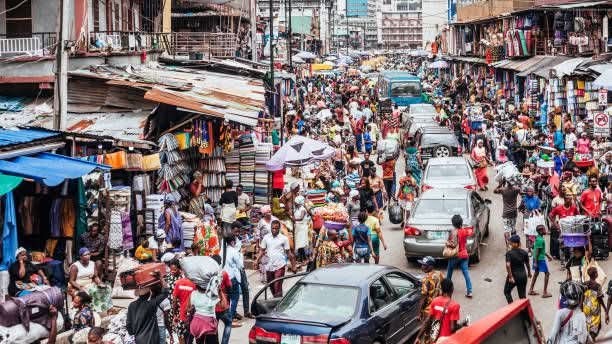
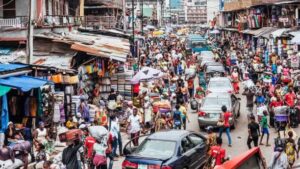
A Lagos market

By The Merit Newspaper Editorial Board

Nigeria is not a poor country. It is not a failed state. It is not broke. What is undeniably broke, however, are Nigerians — exhausted by policies that look impressive on paper but punishing in daily life.

Across the country, markets are open, banks are liquid, oil still flows, budgets are passed, and government revenues continue to grow in nominal terms. Yet, the average Nigerian wakes up each day poorer than the day before. This paradox defines Nigeria’s current reality: a resource-rich nation presiding over a financially strangled population.

In recent years, the federal government has consistently defended tough economic reforms — fuel subsidy removal, foreign exchange liberalisation, tax expansion, and public sector cost-cutting — as necessary sacrifices for long-term stability. While the logic of reform may be sound, the human cost has been staggering, and the promised relief remains distant for millions.

Food prices have tripled in many homes. Transportation costs have become a daily negotiation with hardship. Rent, healthcare, and school fees are now luxuries rather than essentials. Small businesses are shutting down not because Nigerians are lazy or unproductive, but because operating costs have swallowed profit margins entirely.

Yet, government figures often paint a different picture.
Nigeria’s debt profile is expanding, but so is government spending. Public office holders continue to travel, build, commission, and campaign with confidence. Convoys still roar through potholed roads. New government houses rise while citizens struggle to pay electricity bills for homes that barely receive power.

This disconnect fuels a growing public frustration: if Nigeria is broke, why does governance still look expensive?
The truth is uncomfortable. Nigeria’s problem is not the absence of money but the absence of equity, prioritisation, and empathy in economic management. Wealth circulates within government structures and political elites, while citizens are asked to “endure” endlessly, with little clarity on when relief will arrive.

Even social intervention programmes, designed to cushion the effects of reforms, often fail to reach the most vulnerable. Many are poorly implemented, politicised, or lost in bureaucratic bottlenecks. The market woman in Ogbomosho, the artisan in Aba, the farmer in Kebbi, and the commercial driver in Lagos feel no measurable impact of these interventions.

READ ALSO:Kano Billboards Signal Early Battle for 2027

Economic reforms without social protection are not reforms; they are experiments on human lives.

No nation can tax its way out of poverty, nor can it reform itself into prosperity while its people are hungry, angry, and hopeless. History has shown repeatedly that when citizens are pushed too far, the cost of instability far outweighs the cost of compassion.

Nigeria does not need policy explanations alone; it needs visible sacrifices from leadership. It needs governance that reduces the cost of running the state, not the cost of living for the people. It needs leaders who understand that patience cannot be demanded forever from empty stomachs.

As 2027 approaches, political billboards may fill the streets with smiling faces and lofty promises, but Nigerians are increasingly voting with their lived experiences. No slogan can erase the memory of hardship. No campaign can succeed where hunger persists.

If Nigeria must move forward, the starting point is simple but profound: put Nigerians at the centre of economic decisions, not at the receiving end of their consequences.

READ ALSO:Atiku’s Son Defects to APC, Father Reacts

Until then, the truth remains clear and unavoidable — Nigeria is not broke. Nigerians are.

Ibrahim Kegbegbe

Ibrahim Kegbegbe

The Editor-in-Chief, Ibrahim Kegbegbe, is an international journalist with extensive reporting experience across Nigeria and other African countries, specialising in insightful coverage of entertainment, politics, education, religion, and business. He has also reported for The Nation Newspaper and Daily Trust during his SIWES and Industrial Training programmes, respectively, where his byline appeared on many stories. Gmail: ibrahimtaofeekkegbegbe@gmail.com Phone: 08024248696

Related Posts

Why Hamzat Chose Obanikoro for 2027 Campaign
Editorial

Why Hamzat Chose Obanikoro for 2027 Campaign

June 5, 2026
Labour Party Website Sparks Political Identity Crisis Debate
Editorial

Labour Party Website Sparks Political Identity Crisis Debate

June 4, 2026
Why Osifo’s Defeat to Tinubu Still Matters
Editorial

Why Osifo’s Defeat to Tinubu Still Matters

May 25, 2026
Next Post
Why the Super Eagles Must Win This AFCON

Why Penalties Keep Ending Nigeria’s Big Dreams

Photo News: Chief Ibrahim Kilanko Olalowo (Alado) Bags Araba Agude of Oniro Chieftaincy Title

Photo News: Chief Ibrahim Kilanko Olalowo (Alado) Bags Araba Agude of Oniro Chieftaincy Title

Makinde Meets LAUTECH Iseyin Stakeholders, Offers Intervention Fund

Makinde Meets LAUTECH Iseyin Stakeholders, Offers Intervention Fund

Leave a Reply Cancel reply

Your email address will not be published. Required fields are marked *

Highlights

Nigeria’s ₦159.28 Trillion Public Debt Crisis: A Public Policy Analysis of Its Causes, Fiscal Challenges, Governance Gaps and the Sustainable Solutions Required Under President Bola Ahmed Tinubu

Smart Boys Movement Celebrates Oyo Youth Agency Chairman, Falana, at Birthday

Olaoluwa Congratulates Onipapa on 64th Birthday, Prays for Long Life, Successful Reign

Harcher Thrills Fans in Cardiff, Manchester on UK Tour

Ajadi Congratulates Adeleke, Urges Him to Touch Lives

Harcher Releases ‘Angelina’, Gathers Momentum at UK Tour

Trending

Smart Boys Movement Members Meet Football Legend Enyeama at Vinpy Hotel in Uyo
News

Smart Boys Movement Members Meet Football Legend Enyeama at Vinpy Hotel in Uyo

by Ibrahim Kegbegbe
August 30, 2026
0

By Ibrahim Kegbegbe UYO, AKWA IBOM — It was a memorable encounter for members of the Smart...

Harcher Lights Up London at Outernet Show

Harcher Releases ‘Heavenly’, ‘Lover Lover’ 15 Days After ‘Angelina’

August 30, 2026
Ajadi Visits Senator Sunmonu in London, Receives Warm Reception

Ajadi Visits Senator Sunmonu in London, Receives Warm Reception

August 27, 2026
Nigeria’s ₦159.28 Trillion Public Debt Crisis: A Public Policy Analysis of Its Causes, Fiscal Challenges, Governance Gaps and the Sustainable Solutions Required Under President Bola Ahmed Tinubu

Nigeria’s ₦159.28 Trillion Public Debt Crisis: A Public Policy Analysis of Its Causes, Fiscal Challenges, Governance Gaps and the Sustainable Solutions Required Under President Bola Ahmed Tinubu

August 20, 2026
Smart Boys Movement Celebrates Oyo Youth Agency Chairman, Falana, at Birthday

Smart Boys Movement Celebrates Oyo Youth Agency Chairman, Falana, at Birthday

August 20, 2026
  • News
  • Arts and Culture
  • Business
  • Court Stories
  • Crime and Security
  • Culture
  • Education
  • Entertainment
  • Environment
  • Events
  • Features
  • International News
  • Investigative Reporting
  • Lifestyle
  • National News
  • Opinion
  • Politics
  • Properties
  • Regional News
  • Science
  • Special Features
  • Sports
  • Technology
  • Travel
  • World
  • Editorial
  • About Us
  • Religion
  • Contact Us
  • Terms of Service
  • Privacy Policy

© 2026 The Merit Newspaper

No Result
View All Result
  • News
  • Arts and Culture
  • Business
  • Court Stories
  • Crime and Security
  • Culture
  • Education
  • Entertainment
  • Environment
  • Events
  • Features
  • International News
  • Investigative Reporting
  • Lifestyle
  • National News
  • Opinion
  • Politics
  • Properties
  • Regional News
  • Science
  • Special Features
  • Sports
  • Technology
  • Travel
  • World
  • Editorial
  • About Us
  • Religion
  • Contact Us
  • Terms of Service
  • Privacy Policy

© 2026 The Merit Newspaper