Abuja, Nigeria -October 21, 2026
By The Merit Newspaper Correspondent

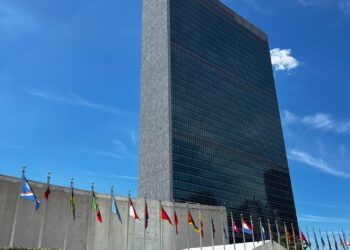
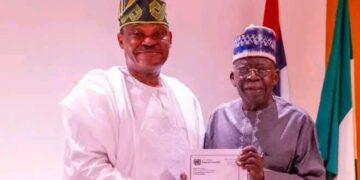
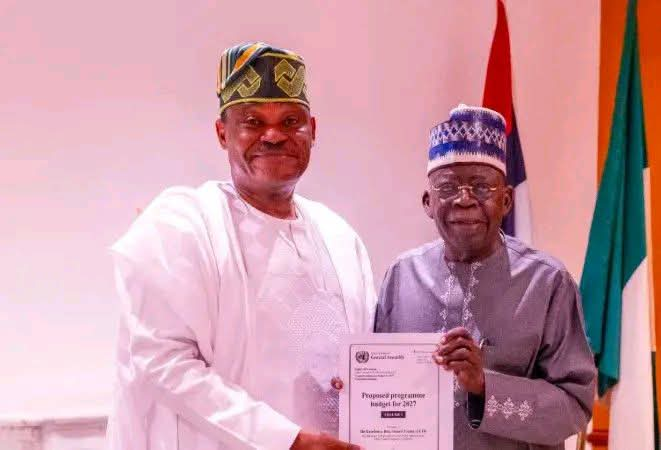
President Bola Ahmed Tinubu has received the proposed 2027 United Nations (UN) budget from Nigeria’s Permanent Representative to the global organisation, Ambassador Jimoh Ibrahim, in a development described as a historic milestone for the country’s participation in international budgetary affairs.
The seven-volume document was presented to Tinubu at the State House, Abuja, following its submission by UN Secretary-General António Guterres to the UN General Assembly’s Fifth Committee on Administrative and Budgetary Matters, chaired by Ibrahim. The Nigerian envoy said the presentation marked the first time in 66 years that a Nigerian president had received the proposed UN budget through this process. Nigeria became a UN member state in 1960.
READ ALSO:Makinde Says Nigeria Is Not Working, Unveils Reset Agenda
Ibrahim explained that the proposed budget covers the organisation’s regular operations, peacekeeping activities and other financial commitments required to implement its mandate across the world. He put the regular budget component at approximately $3.4 billion and peacekeeping expenditure at about $8.5 billion, while describing the overall proposal as approximately $14 billion. However, the two figures cited add up to $11.9 billion, leaving a difference of $2.1 billion that requires clarification.
The proposal is intended to support the United Nations’ work in international peace and security, humanitarian assistance, sustainable development, human rights and other global priorities. Its financial provisions are particularly significant as the organisation faces demands to maintain operations in conflict-affected regions while improving efficiency, accountability and the management of its resources.
READ ALSO:Sanwo-Olu Mourns Fasoranti, Hails His Legacy of Service at 100
Nigeria’s position in the process is linked to Ibrahim’s chairmanship of the Fifth Committee, which examines the UN’s administrative and budgetary requirements and conducts negotiations before recommendations are presented to the General Assembly. The country officially assumed the committee’s chairmanship on September 3, 2026, giving its representative a central role in deliberations over the organisation’s finances.
READ ALSO:Ogun Suspends Eselu of Iselu Over Alleged Partisan Politics
Despite the historic significance of the presentation, Ibrahim cautioned that the budget remains a proposal and has not received final approval. He said member states would scrutinise the figures, negotiate adjustments and determine the final allocations before spending could commence. His remarks make clear that the handover to Tinubu should not be interpreted as the approval of the budget or the release of funds.
On what Nigeria stands to gain, the envoy declined to disclose specific benefits, explaining that discussions with other committee members were still ongoing. He cited a United Nations conference centre project in Kenya as an example of the scale of investment associated with the organisation’s activities in member countries. However, Nigeria’s chairmanship does not automatically guarantee that the country will receive a particular share of the proposed budget, contracts or direct financial benefits.
READ ALSO:FG Confirms Ebola Case in Abuja, Tracks 44 Contacts
The Merit Newspaper reports that the development nevertheless offers Nigeria an opportunity to strengthen its diplomatic profile, contribute to international financial decision-making and advocate for priorities affecting African countries, including peacekeeping, development financing and humanitarian support. The extent of any practical benefit will depend on the outcome of the negotiations, the final budget approved by the UN and Nigeria’s ability to translate its diplomatic role into measurable national interests.