By Ibrahim Kegbegbe
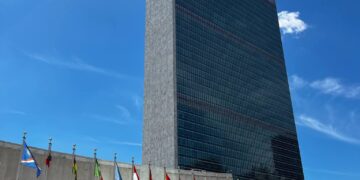
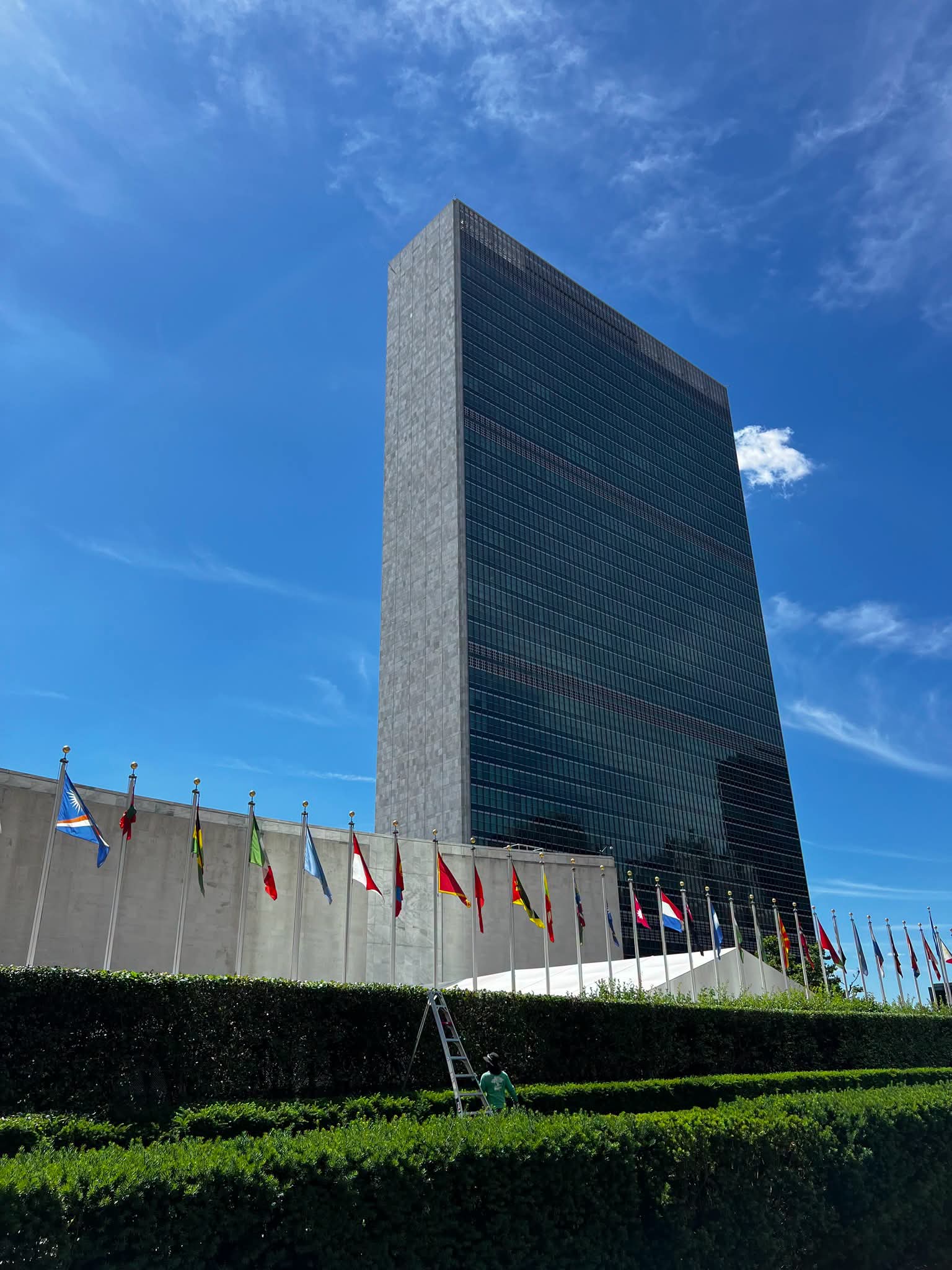
Nigeria has been elected to the United Nations Human Rights Council (UNHRC) for a three-year term beginning in January 2027, after securing 172 votes in an election conducted by the United Nations General Assembly on Tuesday, October 13, 2026.

The election places Nigeria among 15 countries selected to join the 47-member council, which is responsible for promoting and protecting human rights worldwide, addressing alleged violations and recommending measures to improve human rights conditions across member states.
Nigeria emerged alongside Ghana, Zambia and Burundi as the four African countries elected to the council. Other successful candidates were Brazil, the Dominican Republic, Germany, Ireland, Japan, Jordan, Kuwait, Nepal, the Republic of Moldova, Ukraine and Uruguay. The new members will serve from January 1, 2027, to December 31, 2029.
Following the announcement, Nigeria’s Permanent Representative to the United Nations, Ambassador Jimoh Ibrahim, congratulated President Bola Ahmed Tinubu on the country’s election. The development gives Nigeria an opportunity to participate more directly in international discussions, resolutions and initiatives concerning fundamental freedoms, accountability, equality and the protection of vulnerable groups.
READ ALSO:APC Names Adeleke, Soludo, Wike Campaign Coordinators for 2027
Established in 2006, the UN Human Rights Council operates from Geneva, Switzerland, and provides a platform for governments, civil society organisations, independent experts and other stakeholders to examine human rights concerns. Its responsibilities include reviewing the human rights records of UN member states through the Universal Periodic Review and establishing investigative mechanisms for serious violations. Although its recommendations can exert diplomatic pressure, the council does not have the power to enforce them directly.
However, Nigeria’s election has also drawn attention to concerns about the selection process. Human rights organisations criticised the absence of competitive contests, noting that regional groups nominated exactly the number of candidates required to fill the available seats. Human Rights Watch and the International Service for Human Rights raised concerns about the records of some elected countries, including Nigeria, and called for more competitive elections and stronger commitments to human rights protection.
READ ALSO:Ajadi Pledges ₦50m Empowerment, Assures Job Security for Oyo Central Traders
Nigeria’s three-year membership will therefore bring both diplomatic opportunities and responsibilities. As the country prepares to take its seat in January 2027, its engagement with the council will be closely watched, particularly in relation to accountability, civil liberties, police conduct and the protection of citizens’ fundamental rights. The extent to which Nigeria supports the council’s mandate and responds to concerns about its own human rights record will be important in assessing its contribution to the international body.