By Ibrahim Kegbegbe
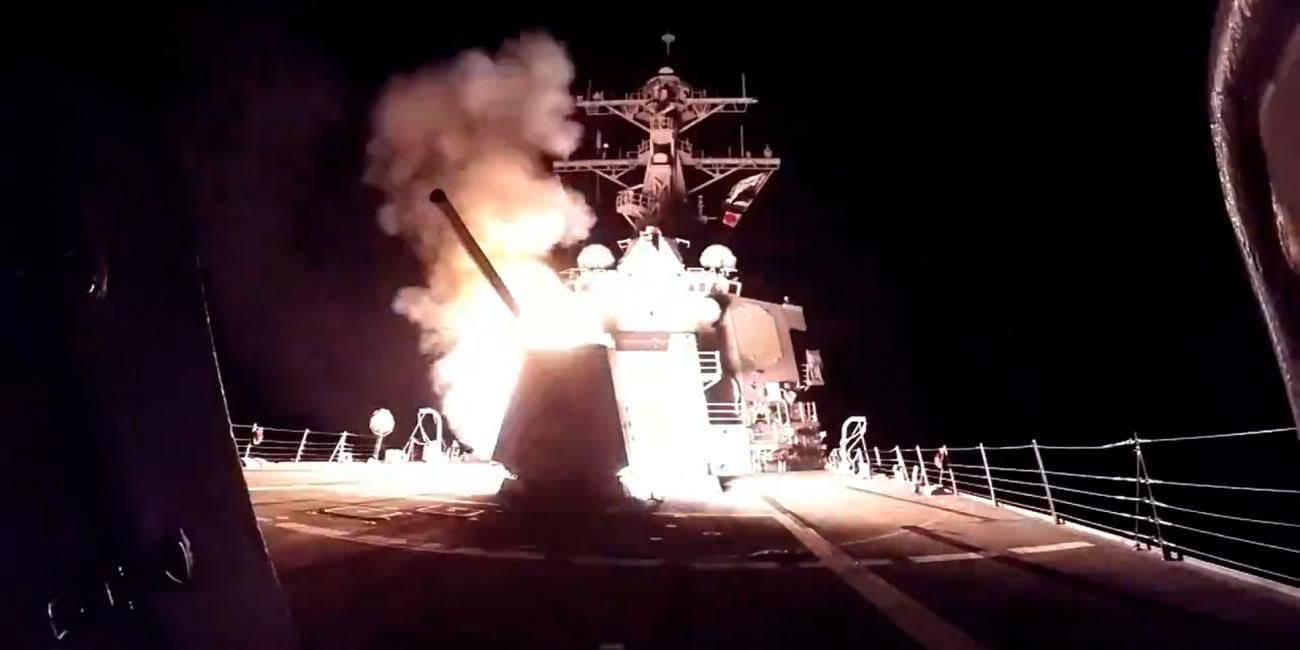
On Christmas Day 2025—when much of the world was marking a season synonymous with peace—the United States dropped bombs on suspected ISIS-linked targets in Nigeria. The timing guaranteed attention; the politics ensured controversy. Yet more troubling than the airstrikes themselves was what they revealed: a pattern of selective outrage in global affairs, where moral language is loudly invoked in some conflicts and conspicuously absent in others. Framed by supporters as a defence of persecuted Christians, the strike instead exposes uncomfortable questions about consistency, strategy and the true meaning of humanitarian intervention.
Nigeria has suffered for more than a decade from violent extremism. Boko Haram, Islamic State West Africa Province (ISWAP), banditry and criminal insurgencies have killed civilians of all faiths—Muslims and Christians alike—especially in the North-East and North-West. Any serious response to this tragedy must begin with honesty: terrorism in Nigeria is not a simple religious war, nor can it be solved by a few precision strikes from the sky.
That is why the Christmas Day bombing raises more questions than it answers.

A performative strike?
Air strikes can disrupt terrorist logistics and leadership. They can also look decisive on television. But history—from Afghanistan to Libya—shows that bombs without a comprehensive political and security strategy rarely defeat insurgencies. Nigeria’s own experience confirms this. Despite years of air operations by its military, extremist groups continue to adapt, splinter and recruit, often exploiting poverty, weak governance and local grievances.
If the U.S. strike was part of a long-term, coordinated counterterrorism framework with Nigeria—one that includes intelligence sharing, civilian protection, deradicalisation and development—then the White House should say so clearly. Instead, the announcement sounded abrupt and symbolic, heavy on rhetoric and light on strategy. In an age of social media diplomacy, that matters.
Christianity as a political talking point
Much of the justification offered by supporters of the strike framed it as protection for persecuted Christians. Yet this moral framing collapses under scrutiny.
Ukrainians, who are predominantly Christian, have been killed daily for years by Russia’s invasion. Thousands of Ukrainian children—many of them Christian—have been forcibly taken into Russia. Gaza’s tiny Christian community has been devastated alongside Muslim Palestinians. In Sudan, a catastrophic war has claimed tens of thousands of lives with barely a whisper from world powers. In Nigeria itself, Muslims have been among the primary victims of extremist violence.
READ ALSO:Nigeria Confirms Joint Air Strikes With US Against Terrorist Targets in North-West
If religious identity determines whose lives merit emergency action, then global policy becomes theology by drone strike—and a deeply inconsistent one.
Aid cuts and moral contradictions
The controversy is sharpened by another reality: the same U.S. administration that authorised bombs on Christmas has been accused by critics of drastically scaling back humanitarian and development assistance abroad, including USAID-funded programmes that provide food, healthcare and emergency relief in Africa.
Whether or not one accepts the most extreme estimates circulating online, there is no dispute that aid cuts cost lives in vulnerable societies. Malnutrition, preventable disease and displacement kill far more people over time than any single air strike. To claim the mantle of global moral leadership while withdrawing life-saving assistance creates a credibility gap that no missile can close.
Nigeria is not a chessboard
Nigeria is Africa’s most populous country, a complex federation with vast natural resources, deep regional inequalities and fragile institutions. Foreign military action—even when invited—does not occur in a vacuum. It shapes public perception, fuels conspiracy theories about resource interests, and risks strengthening extremist propaganda that paints the government as a puppet of foreign powers.
What Nigeria needs most is not episodic foreign firepower but sustained investment in security sector reform, economic opportunity, education and justice. Terrorism thrives where the state is absent or distrusted. No Christmas strike can substitute for that hard, unglamorous work.
The danger of distraction politics
The timing of the attack has inevitably fed suspicions that it was designed to distract from domestic controversies in Washington. Whether or not that was the intent, perception matters. When foreign lives appear to be used as backdrops for political theatre, the moral argument collapses.
If the United States truly seeks to stand against terrorism and protect civilians—Christian, Muslim or otherwise—it must apply the same urgency everywhere, explain its strategy transparently, and align its military actions with humanitarian responsibility.
READ ALSO:Security Alert: Why Nigerians Must Watch Their Neighbourhoods Now
Bombing on Christmas Day may generate headlines. It does not, by itself, generate peace.
And for Nigerians who will continue to live with the consequences long after the news cycle moves on, that distinction is not academic—it is existential.
Ibrahim Taofeek Kegbegbe is a journalist and a public affairs analyst