By Ibrahim Kegbegbe
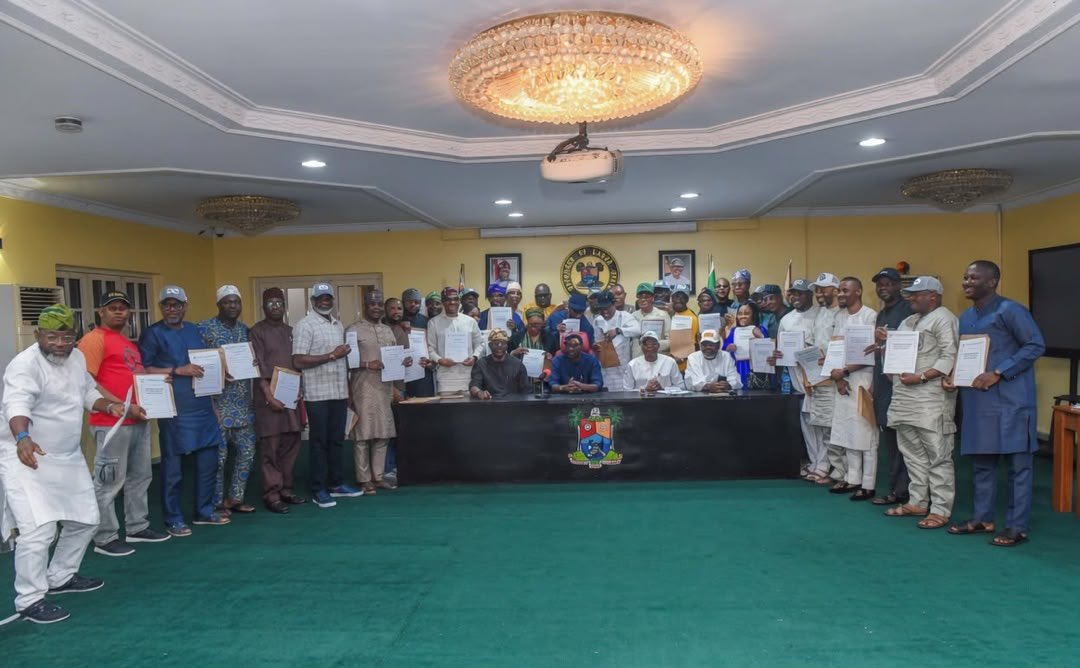
The presentation of Independent National Electoral Commission (INEC) nomination forms to candidates of the All Progressives Congress (APC) for the 2027 Lagos State House of Assembly election should ordinarily have marked another significant milestone in the party’s preparations for the general election. Instead, it has exposed what may become one of the most defining political crises in Lagos in recent years.

The decision that effectively ended the re-election ambitions of 12 serving members of the Lagos State House of Assembly has generated mixed reactions across the state. While every political party reserves the right to renew its ranks and introduce fresh faces, the controversy surrounding the APC primaries has shifted public attention from the emergence of new candidates to allegations of irregularities, candidate substitutions, and internal injustice.
READ ALSO:Opinion: Why England Will Win World Cup 2026
Among those who lost the party’s ticket are the Majority Leader, Hon. Noheem Adams; Chief Whip, Hon. Fatai Mojeed; Deputy Chief Whip, Hon. Setonji David; popular actor-turned-lawmaker Desmond Elliot; and several other experienced legislators. Whether one agrees with their legislative performances or not, their sudden exit from the party’s ticket raises important political questions.
More troubling, however, are the complaints from many aspirants who insist they won their primary elections only to discover that different names eventually appeared on the final list. If these allegations are accurate, the implications extend beyond individual political ambitions. They touch on the credibility of the party’s internal democratic process.
Political parties are expected to serve as training grounds for democracy. If transparency and fairness are compromised during internal contests, it becomes increasingly difficult to convince the electorate that democratic principles will be upheld in government.
History has repeatedly shown that many ruling parties lose elections not because the opposition suddenly becomes stronger, but because internal divisions create openings for electoral setbacks. Political victories are sustained through unity, consultation, fairness, and respect for agreed rules—not merely through numerical dominance or historical popularity.
READ ALSO:Journalist Urges Media to Stop Interviewing Peter Obi (Video)
For years, the APC has maintained an overwhelming political advantage in Lagos State. Yet political dominance should never be mistaken for political invincibility. Voter expectations continue to evolve, while internal grievances can gradually weaken even the strongest political structures if left unresolved.
The continued protests by aggrieved aspirants and their supporters should therefore not be dismissed as routine post-primary disagreements. Rather, they should be seen as warning signals demanding sincere engagement by the party leadership.
It is equally important to acknowledge that every political party has the responsibility to balance continuity with renewal. Democracy thrives when experienced legislators mentor emerging leaders, and leadership transitions are conducted transparently. Political renewal becomes widely accepted only when participants believe the process was fair.
The APC leadership still has an opportunity to demonstrate statesmanship by addressing legitimate complaints, engaging dissatisfied stakeholders, and rebuilding confidence within the party. Reconciliation should go beyond public meetings and political statements. It must restore trust in the integrity of the party’s decision-making process.
Ultimately, elections are not won solely through campaign rallies or political endorsements. They are also won through party cohesion, public confidence, and the perception that justice has been done.
As Lagos moves steadily toward the 2027 general elections, one question remains unavoidable: Will the APC successfully heal its internal divisions before they become electoral liabilities, or will unresolved grievances prove more damaging than any challenge mounted by the opposition?
The answer may determine not only the composition of the next Lagos State House of Assembly but also the future direction of politics in Nigeria’s commercial capital.