

By Ibrahim Kegbegbe
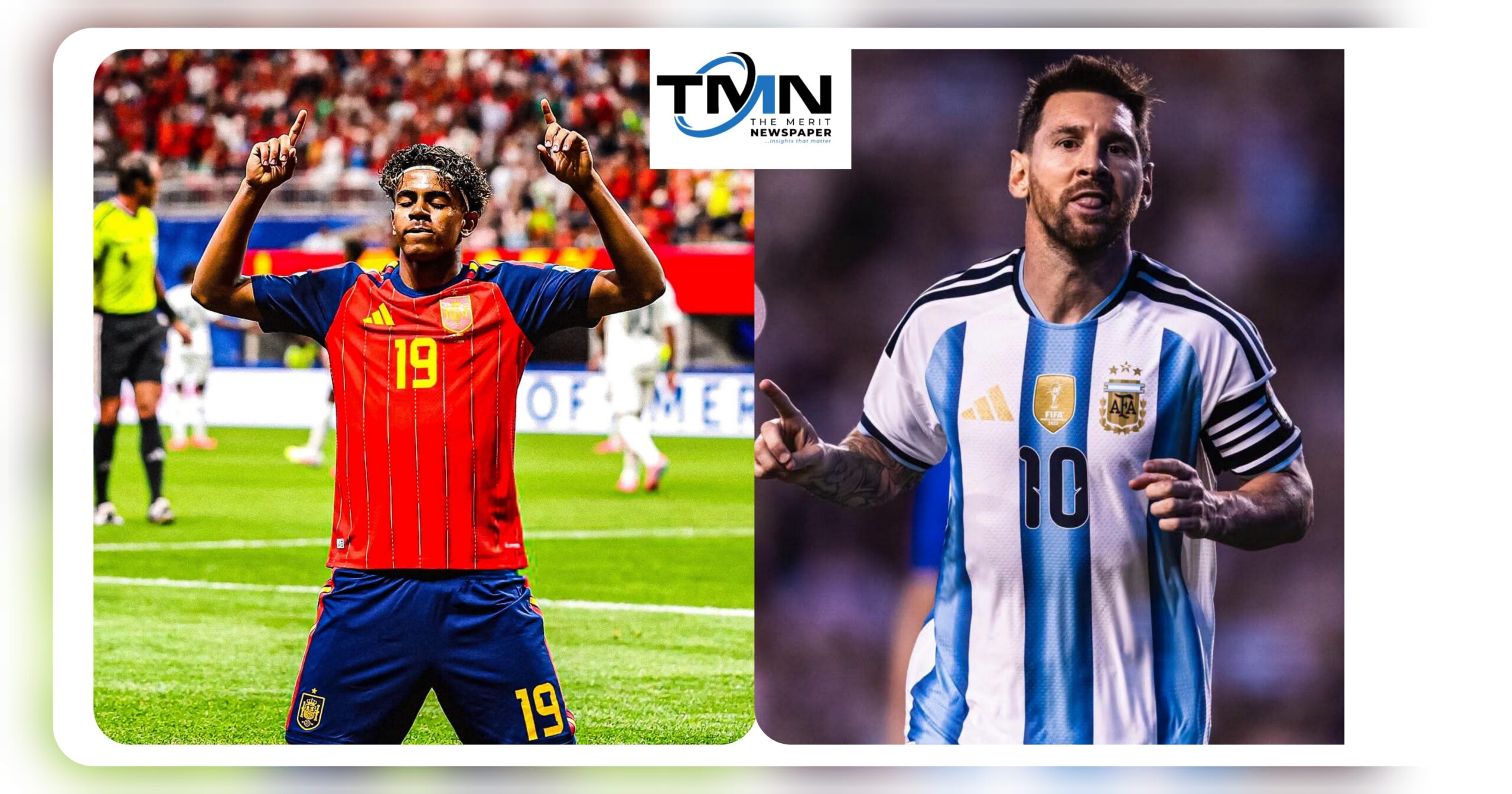
When the referee blows the whistle at the 2026 FIFA World Cup final on Sunday, July 19, football will witness more than a contest between Argentina and Spain. It will be a collision of two football philosophies, two generations, and two different visions of greatness.

For Argentina, the mission is clear: defend the title won in Qatar in 2022 and become the first nation since Brazil in 1958 and 1962 to win consecutive FIFA World Cups. Achieving that feat would elevate La Albiceleste into one of football’s greatest dynasties and earn them a fourth World Cup title, moving within one trophy of Brazil’s record five championships.
Spain, however, are not travelling to the final to admire Argentina’s legacy. They are determined to write a new chapter of their own. Since conquering the world in 2010, Spain have rebuilt patiently, replacing the fading generation of Xavi, Andrés Iniesta and Iker Casillas with fearless young stars led by Lamine Yamal. Their football combines technical excellence with speed, creativity and tactical discipline.
The popular narrative suggests this final belongs to Lionel Messi. At 39, this could be his last World Cup appearance, making the occasion deeply emotional for millions of football lovers. Yet football has never been a one-man story. If Spain lift the trophy, history will remember that the new generation refused to wait politely for legends to finish writing history.
Perhaps the most fascinating question is this: Should football continue to belong to experience, or is it finally time for youth to take complete control?
READ ALSO:Argentina Defeat England 2-1, Advance to World Cup Final
Argentina have shown throughout the tournament that they never panic. They came from behind against England in the semi-final, displaying remarkable resilience, leadership and championship mentality. They have scored freely and found different heroes in different matches.
Spain, on the other hand, have built their campaign on defensive excellence. They have conceded very few goals, remained unbeaten and demonstrated tactical maturity beyond their years. If Argentina represent controlled chaos, Spain represent calculated perfection.
The statistics also deepen the intrigue. Brazil remain the most successful nation with five World Cup titles, followed by Germany and Italy with four each. Argentina have three championships, while Spain have only one. Victory for Argentina would move them closer to football’s traditional giants. Victory for Spain would confirm that the balance of global football continues to shift toward a new era.
There is another debate worth considering. Football fans often celebrate flair over structure. They admire dazzling dribbles more than disciplined defending. But championships are not always won by the most entertaining team. Sometimes they are won by the team willing to suffer, remain organised and seize one decisive moment. Sunday’s final could once again prove that beautiful football and winning football are not always the same thing.
READ ALSO:Lamine Yamal: Faith, Family and Football’s Rising Superstar
Whatever happens, this final deserves to be remembered as a symbolic handover between generations. Messi’s brilliance has inspired the modern game for nearly two decades. Lamine Yamal represents the generation that grew up watching him. The image of football’s greatest icon standing opposite its brightest young talent is a fitting climax to the biggest sporting event on earth.
In the end, the winner may not simply become world champion.
The winner may define the direction football takes over the next decade.
That is why Argentina versus Spain is not just another World Cup final.
It is football’s battle between legacy and the future.