
By Ibrahim Kegbegbe
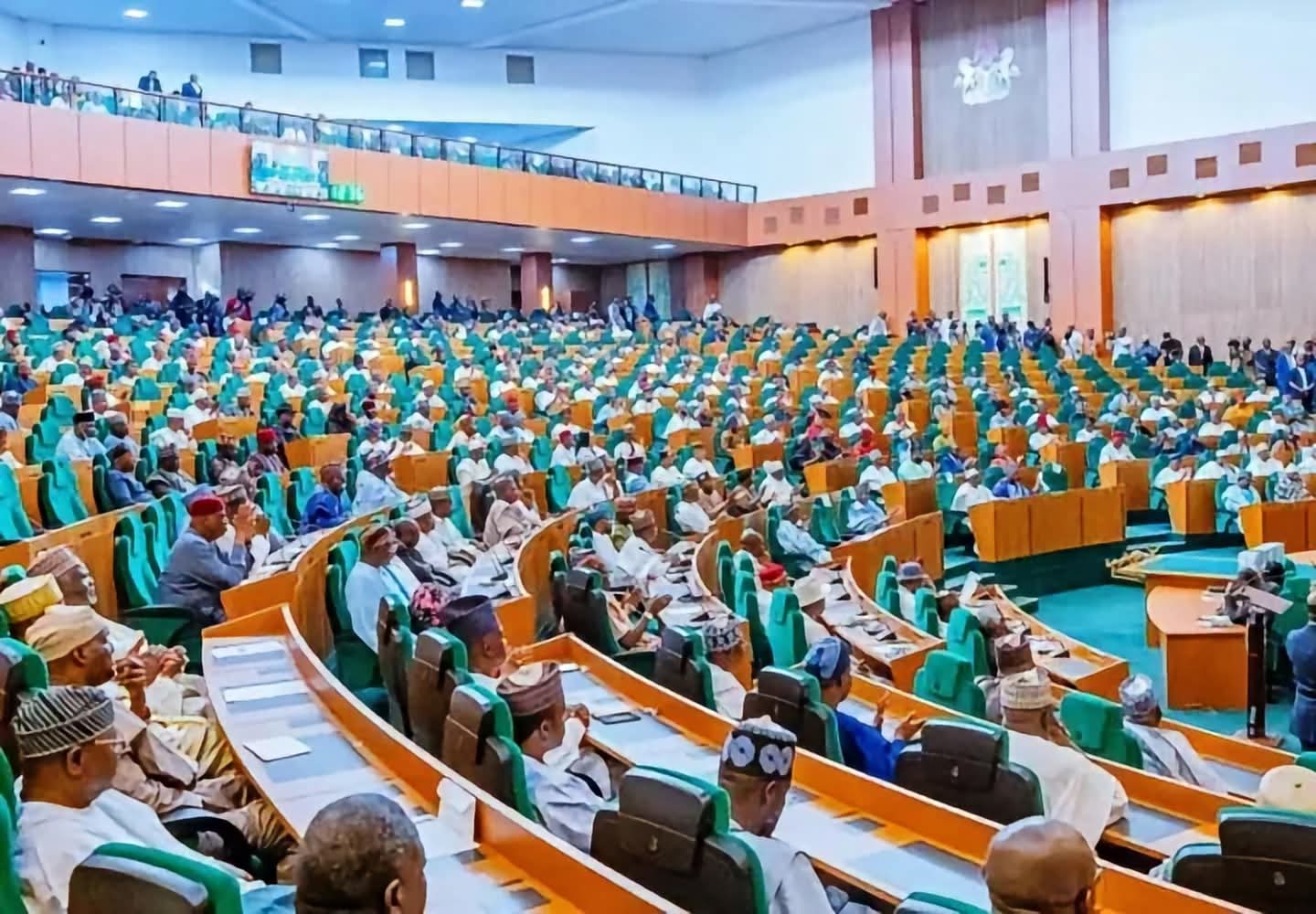
ABUJA — The House of Representatives on Thursday passed a constitutional amendment bill seeking to establish state police, marking a significant step in ongoing efforts to reform Nigeria’s security architecture amid rising concerns over insecurity across the country.

The bill was approved during plenary after lawmakers voted overwhelmingly in support of the proposal. The measure is part of broader constitutional amendments aimed at devolving policing powers and allowing states to establish and manage their own police services alongside the existing Nigeria Police Force.
Supporters of the bill argued that the creation of state police would strengthen grassroots security, improve intelligence gathering, and enable quicker responses to security threats such as banditry, kidnapping, terrorism, and communal clashes.
The passage of the bill by the House of Representatives represents a major milestone in the long-running debate over the decentralisation of policing in Nigeria. Advocates have consistently maintained that a centrally controlled police system has become overstretched and inadequate for addressing the diverse security challenges confronting different parts of the country.
However, The Merit Newspaper reports that the proposal has not yet become law. It is expected to proceed to the Senate for concurrence. If approved by the upper chamber, the constitutional amendment will require endorsement by at least two-thirds of the 36 state Houses of Assembly before it can be transmitted to President Bola Ahmed Tinubu for assent.
READ ALSO:Aisha Yesufu Blasts Dickson Over 2027 Election Strategy
The issue of state police has generated mixed reactions over the years, with proponents describing it as a necessary response to worsening insecurity, while opponents have expressed fears that governors could misuse state-controlled police formations for political purposes.
READ ALSO:Xenophobic Attacks Force Nigerians Back Home From South Africa
The latest move by the House of Representatives comes amid increasing calls from governors, traditional rulers, civil society groups and security experts for a restructuring of the country’s security framework to better tackle emerging threats.