By Ibrahim Kegbegbe
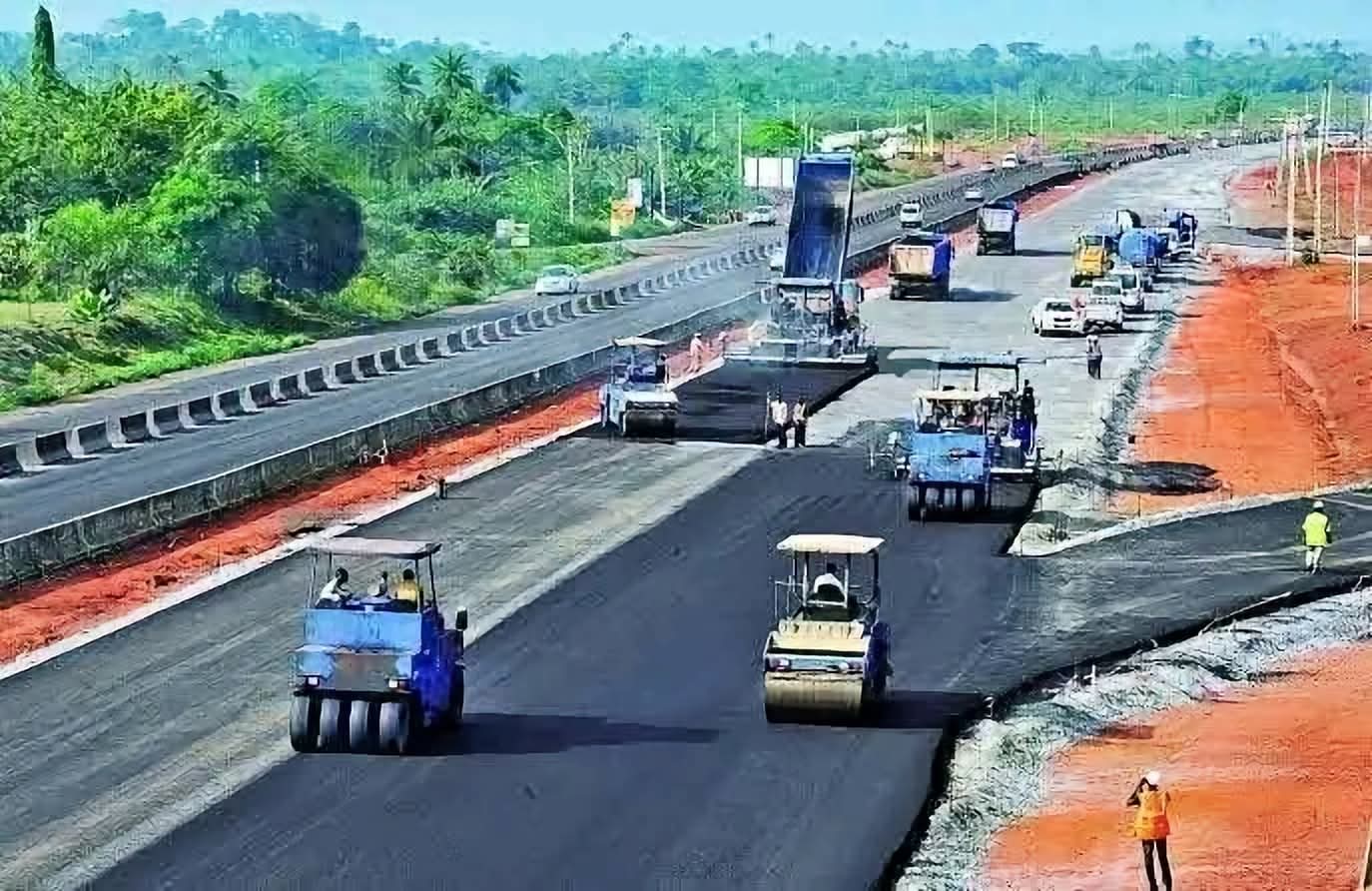
The ongoing construction and rehabilitation of major highways across Nigeria under the administration of President Bola Ahmed Tinubu are increasingly being viewed by supporters as tangible dividends of democracy and a demonstration of the government’s commitment to infrastructure development.

Since assuming office in May 2023, President Tinubu has embarked on an ambitious road infrastructure programme aimed at improving connectivity, facilitating trade and enhancing economic growth across the country.
READ ALSO:Tinubu Approves Ebola Task Force, Releases N10bn for Emergency Preparedness
Among the flagship projects is the 700-kilometre Lagos-Calabar Coastal Highway, designed to link nine states along Nigeria’s coastline and open up new economic corridors. Another signature initiative is the 1,068-kilometre Sokoto-Badagry Super Highway, which is expected to connect the North-West to the South-West and strengthen interstate commerce.
Other major projects being executed or expanded include the Calabar-Ebonyi-Benue-Kogi-Nasarawa-Abuja corridor, the Akwanga-Jos-Bauchi-Gombe road, the Abuja-Kaduna-Zaria-Kano dual carriageway, the Sokoto-Gusau-Funtua-Zaria road, the BUA tax credit road projects in Jigawa, Katsina and Kano states, as well as the dualisation of the 9th Mile-Oturkpo-Makurdi road.
Additional projects include the Gombe-Biu dual carriageway, the Damaturu-Maiduguri road, sections of the Kano-Maiduguri highway, the Bama and Dikwa roads in Borno State, the Lokoja-Okene dualisation project and the Malando road in Kebbi State.
The Minister of Works, Senator David Umahi, has repeatedly described the projects as part of President Tinubu’s Renewed Hope Agenda aimed at modernising Nigeria’s transport infrastructure and stimulating economic activities across the six geopolitical zones.
According to the Federal Government, the highway projects are expected to reduce travel time, improve the movement of goods and services, create thousands of jobs and attract investments to communities located along the various corridors.
READ ALSO:Ajadi Celebrates OYCSDA Chairman Adeaga on Birthday, Hails Commitment to Community Development
The Merit Newspaper reports that supporters of the administration argue that the massive road projects represent visible dividends of democracy, capable of fostering national integration and boosting economic development.
Analysts, however, maintain that the ultimate measure of success will depend on the timely completion of the projects and their long-term impact on the lives of Nigerians.
With construction activities ongoing in different parts of the country, many observers believe that the nation’s road infrastructure is receiving one of the most extensive overhauls in recent times, underscoring the strategic importance attached to transportation under the Tinubu administration.