By Ibrahim Kegbegbe
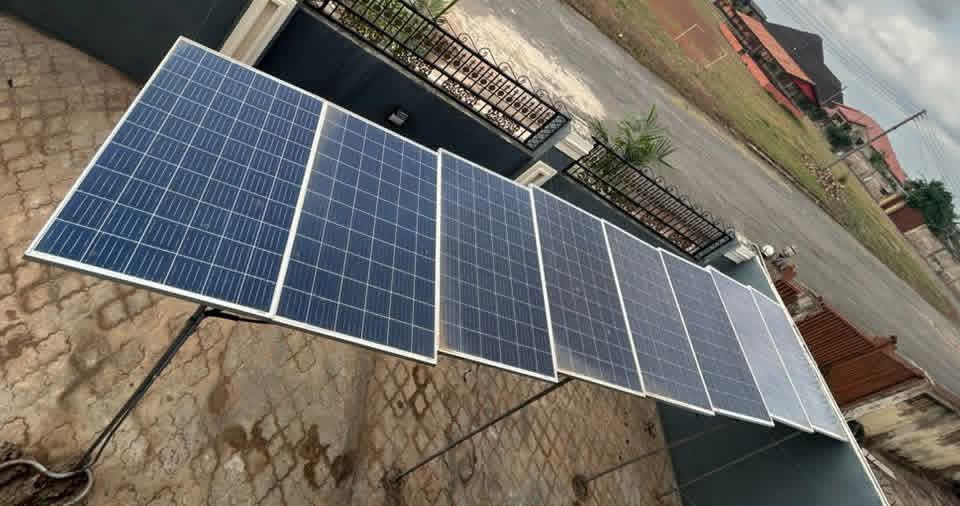
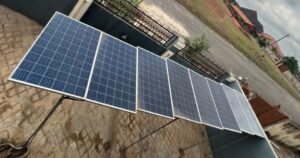
In the wake of widespread public concern and social media speculation, the Lagos State Government has clarified that there is no ban on solar energy installations across the state, putting to rest fears that authorities are moving against renewable energy adoption.

The clarification comes amid viral claims suggesting that Lagos residents were being restricted from installing solar panels—a development that triggered anxiety among households and businesses increasingly turning to alternative power sources due to Nigeria’s persistent electricity challenges.
Contrary to these claims, officials explained that what exists is a targeted regulatory measure applicable only within government-owned housing estates. Residents in such estates are required to seek approval before installing solar systems, particularly where such installations may alter roofing structures or affect shared infrastructure.
According to government sources, the directive is rooted in safety and urban planning considerations. Solar installations, especially rooftop systems, are classified as structural modifications in estate settings. Without proper oversight, such modifications could pose risks ranging from fire hazards to compromised building integrity.
The Merit Newspaper reports that the regulation, therefore, aims to ensure that all installations meet safety standards, preserve the architectural integrity of buildings, and prevent disputes over shared spaces in estates managed by the state.
However, authorities were unequivocal in stressing that the directive does not extend to privately owned properties. Homeowners and businesses outside government estates remain free to install solar systems without seeking state approval, provided they adhere to general safety guidelines and industry standards.
Energy analysts say the clarification is timely, as solar adoption continues to grow rapidly in Lagos and other urban centres. With the national grid still struggling to meet demand, many residents have turned to renewable energy as a more reliable and cost-effective alternative to diesel and petrol generators.
READ ALSO:Gbajabiamila to Hamzat: Lagos Is Yours to Win
Experts note that Lagos, as Nigeria’s commercial nerve centre, has increasingly positioned itself as a forward-looking, energy-conscious city. Encouraging renewable energy while maintaining regulatory oversight in specific contexts reflects a balancing act between innovation and safety.
The development also highlights the growing need for clear communication in public policy, particularly in an era where misinformation can spread rapidly and shape public perception.
For many Lagosians, the takeaway is straightforward: solar energy remains not only legal but actively embraced—so long as installations are carried out responsibly.
As the state continues its push toward sustainable urban development, renewable energy solutions are expected to play a central role in reducing reliance on fossil fuels and improving energy access.
READ ALSO:2027: The President Nigerians Are Waiting For
Bottom line: There is no statewide restriction on solar power in Lagos. The only requirement applies within government estates, where approval is needed to ensure safety, order, and structural compliance.