
By Ibrahim Kegbegbe
The recent wave of discussions around the United States’ arms sales to Middle Eastern allies has once again raised concerns about the direction of regional security politics, particularly in relation to rising tensions with Iran. While such military agreements are often justified under the umbrella of “defensive cooperation,” they also revive deeper questions about whether the Middle East is being drawn closer to conflict rather than peace.

At a time when diplomatic sensitivity is crucial, especially in a region already shaped by decades of mistrust and intermittent hostility, the continued accumulation of foreign-supplied weapons risks sending the wrong message. Rather than easing tensions, it often reinforces a security dilemma where one nation’s defence build-up is perceived as another’s threat.
Countries such as Saudi Arabia and Iran, both influential powers in the Gulf region, share not only geographical proximity but also religious and historical significance within the Muslim world. Any escalation between them would not be contained within political borders alone; it would reverberate across global Muslim communities, affecting stability, pilgrimage activities, and regional cooperation frameworks.
READ ALSO:Olamide Dominates Afrobeats With Back-to-Back Collaborations
This concern becomes even more sensitive considering the spiritual significance of the Hajj pilgrimage. Each year, millions of Muslims from across the world gather in Makkah in a rare display of unity, peace, and submission to God. The idea that geopolitical tensions could overshadow or endanger such a sacred gathering is deeply troubling and should not be ignored by global leaders.
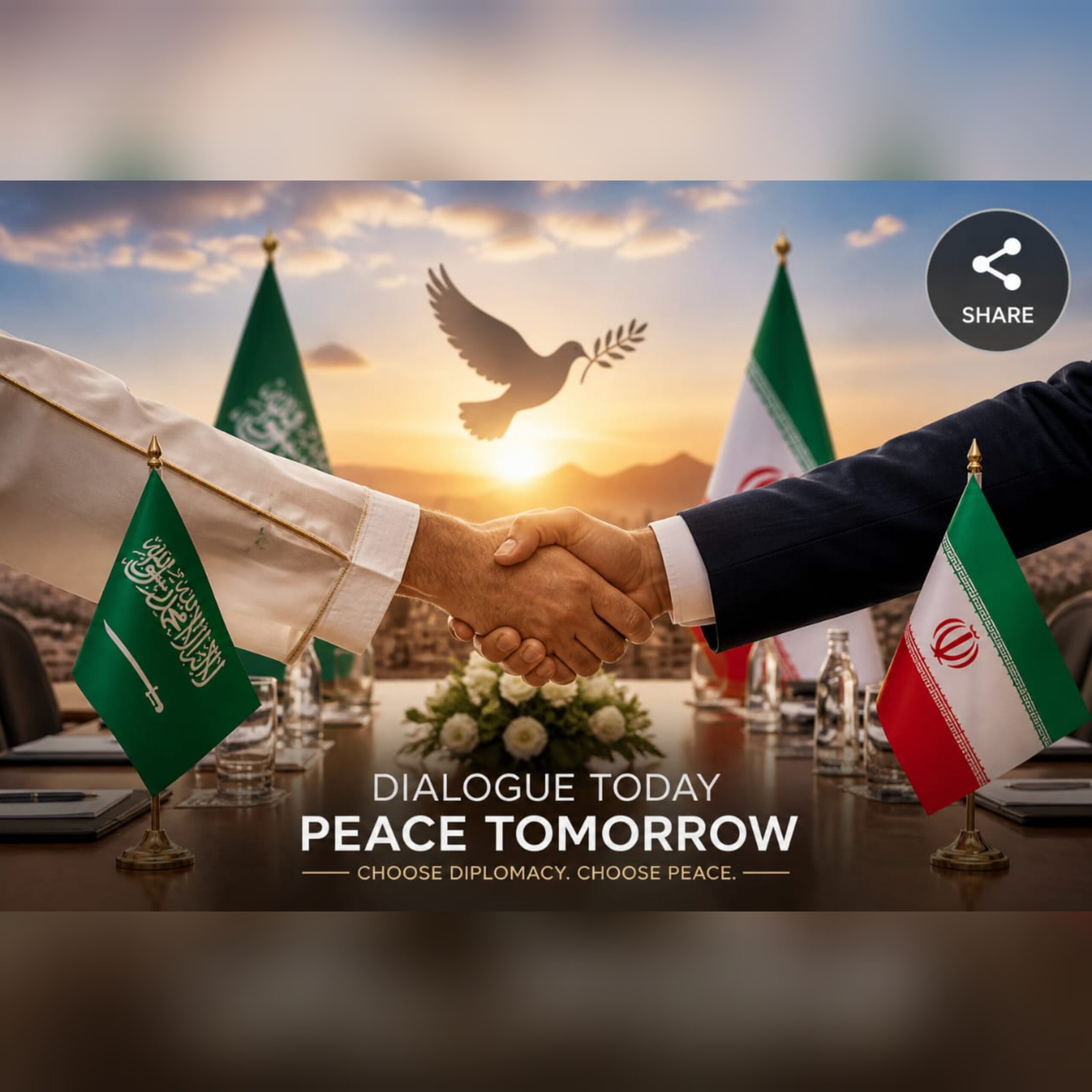
Instead of further reliance on external arms supplies, Middle Eastern nations should prioritise renewed diplomatic engagement, confidence-building measures, and regional security dialogues. History has shown that military deterrence alone rarely resolves long-standing political disagreements; in many cases, it prolongs them.
International partners, including the United States, also have a responsibility to encourage de-escalation rather than contribute to an arms-heavy environment. A true strategic partnership should focus more on peacebuilding, economic cooperation, and mediation efforts than on fueling military readiness that could be misinterpreted or misused.
READ ALSO:PDP Fixes Crucial 103rd NEC Meeting Amid Crisis
Ultimately, the Middle East does not need another cycle of confrontation. What it needs is courageous leadership willing to choose dialogue over destruction, cooperation over confrontation, and peace over the dangerous comfort of militarisation. For the sake of regional stability—and the unity of the global Muslim community—the path forward must be diplomacy, not escalation.
Ibrahim Taofeek Kegbegbe is a Lagos-based journalist and a public affairs analyst.