By Ibrahim Kegbegbe
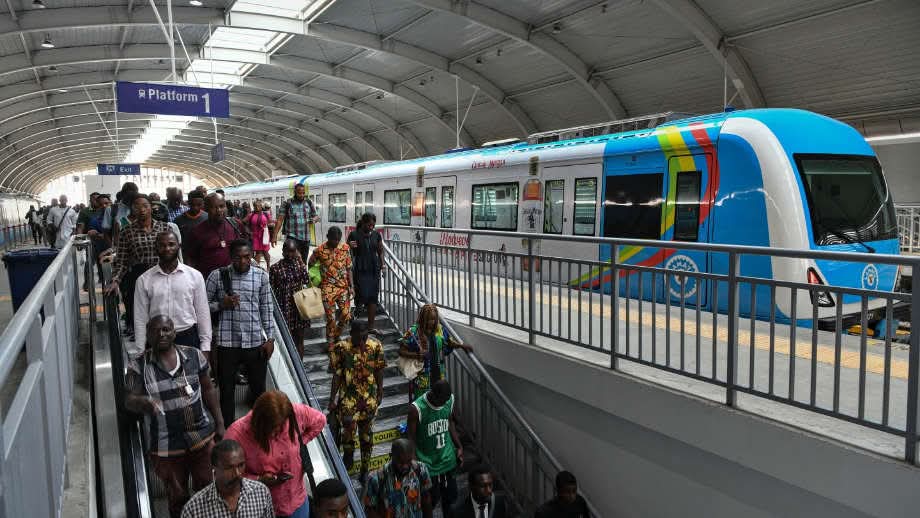
LAGOS — Commuters using the Lagos Rail Mass Transit (LRMT) Blue Line are set to enjoy improved services as the Lagos Metropolitan Area Transport Authority (LAMATA) has announced plans to commence operations earlier and increase the number of daily trips beginning Monday, June 15.

Under the new schedule, train services on the Blue Line will begin at 6:00 a.m., 30 minutes earlier than the current 6:30 a.m. departure time, while the number of daily trips will increase from 90 to 94.
LAMATA disclosed that Sunday operations would also be expanded, with the number of trips rising from 22 to 24, although the closing time for services will remain unchanged at 9:30 p.m.
The adjustment is aimed at enhancing commuter experience, reducing waiting times and accommodating the growing number of passengers relying on the Marina–Mile 2 corridor for daily transportation.
READ ALSO:Atiku Picks Amaechi as 2027 Running Mate
Since its inauguration, the Blue Line has emerged as one of the flagship projects of the Lagos State Government’s efforts to modernise public transportation and ease road congestion in Nigeria’s commercial capital.
Transportation experts have described the expansion as a timely response to increasing demand for efficient and affordable mass transit in Lagos, where millions of residents contend with chronic traffic congestion.
The Merit Newspaper reports that the Blue Line, which currently operates between Marina and Mile 2, has recorded a steady rise in patronage since commercial operations commenced. The rail system is expected to play a critical role in the state’s broader integrated transport network, which combines rail, road and water transportation.
Observers say the increase in trip frequency and earlier commencement of operations will provide commuters with greater flexibility and help shorten travel times, especially during peak hours.
READ ALSO:Democracy Day: Ajadi Felicitates Oyo Residents, Urges Nigerians to Defend Democratic Values
The latest development underscores the commitment of the Lagos State Government to improving urban mobility and building a sustainable transportation system capable of meeting the needs of the state’s rapidly growing population.